Thinking of Buying a Motel in BC? What to Know Before You Invest
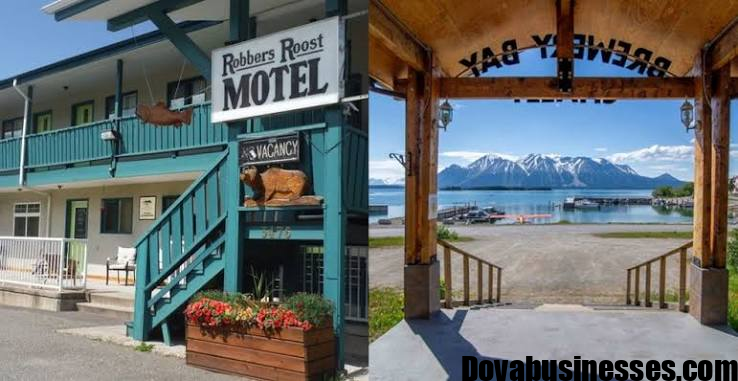
Something is appealing about owning a roadside motel in British Columbia. Maybe you picture a tidy row of rooms along the Trans-Canada Highway, a glowing “Vacancy” sign, and a steady stream of road-trippers heading toward the Rockies or the coast. Or maybe you’re looking at it with a sharper eye: a business that produces income, sits on real land, and could be worth far more with some upgrades.
Both views have merit. The province attracts millions of visitors each year, and motels remain one of the most accessible ways into the hospitality industry. But buying one is very different from buying a house or a rental condo. You’re buying land, buildings, equipment, a brand reputation, and often a job, all at once.
If you’ve been browsing motels for sale in British Columbia and wondering whether it’s the right move, this guide walks you through what matters most before you make an offer.
Why British Columbia Is an Attractive Market for Motel Buyers
British Columbia has a tourism profile few provinces can match. You have mountains, lakes, wine country, ski resorts, national parks, ocean coastline, and major highways connecting Alberta, the U.S. border, and the Pacific. That variety creates demand from very different types of travellers throughout the year.
Summer brings families, road-trippers, and international visitors. Winter brings skiers to places like Revelstoke, Fernie, and the Kootenays. Spring and fall draw fishing groups, hunters, cyclists, and business travellers. In many resource towns, motels also serve a steady base of work crews in forestry, mining, pipeline, and construction.
To understand where visitors are going and how the industry is trending, the research and reports published by Destination British Columbia are a useful starting point. They offer regional tourism data that can help you judge whether a particular town has the visitor traffic to support the property you’re considering.
Another point in the province’s favour is that many motel owners are nearing retirement. Many properties were bought decades ago by owner-operators who are now ready to step back. That creates opportunities for new buyers, especially those willing to modernize an older property.
Understanding the Different Types of Motels for Sale
Not all motels are alike, and the category you choose shapes everything from your daily workload to your financing options.
Highway and roadside motels rely heavily on drive-by traffic and overnight stays. Locations along Highway 1, Highway 3, Highway 5 (the Coquihalla), and Highway 97 tend to see strong seasonal volume. Success here often depends on visibility, easy access, and competitive pricing.
Destination motels sit in tourist hotspots like the Okanagan, Tofino, Whistler, or the Shuswap. Guests come to stay for several days, and they expect a pleasant atmosphere, cleanliness, and sometimes extras like kitchenettes, pools, or lake access. Room rates can be much higher, but so are purchase prices.
Workforce motels in northern and interior communities often cater to crews working on industrial projects. Occupancy can be very strong while a project is active, but it can drop sharply when work ends. Buyers should look closely at how much revenue depends on a single employer or project.
Motels with residential or redevelopment potential are a growing category. In some municipalities, older motels sit on land that may be worth more for housing or mixed-use development. These deals can be attractive, but they require careful research into zoning and local planning priorities.
How Much Do Motels Cost in British Columbia?
Prices vary widely depending on location, room count, condition, and land value. A small motel in a rural community may sell for well under the price of a detached home in Vancouver, while a well-kept property in the Okanagan or on Vancouver Island can run into several million dollars.
Instead of focusing only on the asking price, experienced buyers look at a few key numbers: the net operating income, the capitalization rate, and the price per room. A lower price isn’t a bargain if the property needs a new roof, new plumbing, and a full room renovation within two years. Likewise, a higher price can make sense if the business has a proven track record and strong repeat bookings.
Keep in mind that motel sales often include both the real estate and the business itself. Separating what you’re paying for the land and buildings versus the goodwill and equipment will matter for financing, taxes, and future resale.
One practical way to get a feel for the market is to look through current motel listings across BC and compare asking prices against room counts and locations. Over time, you’ll start to notice which regions command a premium and which properties are priced to reflect needed repairs.
Financing a Motel Purchase
This is where many first-time buyers get a reality check. Commercial hospitality loans are different from residential mortgages. Lenders often view motels as higher-risk because income depends on travel patterns, the economy, and operator skill.
In many cases, you can expect to need a larger down payment than you would for a home, and lenders will want to see detailed financial statements, tax returns, and occupancy history from the current owner. Your own experience in hospitality or small business management can also influence approval.
Some buyers explore vendor take-back financing, where the seller carries part of the loan. This can make a deal more affordable and also signals that the seller has confidence in the business. Credit unions in B.C. are sometimes more flexible with local commercial properties than large national banks, so it’s worth talking to several lenders.
Don’t forget closing costs. British Columbia charges a property transfer tax on most real estate purchases, and commercial transactions are included. You can review the current rates and rules on the Government of British Columbia’s property transfer tax page before calculating your total budget.
Due Diligence: The Step You Can’t Skip
When you’re excited about a property, it’s tempting to move fast. Resist that urge. A thorough due diligence period is the best protection you have.
Start with the financials. Ask for at least three years of profit and loss statements, tax filings, and booking data. Compare the owner’s reported revenue with what you can verify independently, such as online booking platform history or bank deposits. Be cautious of sellers who say the business makes more money than the books show. If it isn’t documented, lenders won’t count it and neither should you.
Next, look at the physical property. Hire a qualified commercial building inspector to check the roof, foundation, electrical systems, plumbing, heating, and any pools or hot tubs. Older motels, especially those built in the 1960s and 1970s, may have issues with asbestos, outdated wiring, or septic systems that need attention.
An environmental assessment is also wise, particularly if the property once had a gas station, fuel tanks, or other industrial uses nearby. Contamination cleanup can be extremely expensive.
Finally, confirm that everything is legal. Check zoning, business licences, fire safety compliance, and any outstanding municipal orders. If the motel has a manager’s suite that you plan to live in, confirm that residential use is allowed.
Location Still Matters More Than Anything
It’s an old saying in real estate, but with motels it’s especially true. A beautiful property in the wrong place will struggle, while a plain one in the right spot can do surprisingly well.
Ask yourself a few honest questions. Is the motel visible from the highway, and is it easy to turn into? Are there attractions, events, hospitals, or industries nearby that bring people to town year-round? What new hotels, short-term rentals, or campgrounds have opened recently? Is there any planned highway rerouting or construction that could reduce traffic?
Spend time in the area during different seasons if you can. Talk to local business owners, the chamber of commerce, and the tourism office. A town that’s buzzing in July may feel very quiet in February, and you need to know whether the business can cover its costs during slow months.
Seasonality and Cash Flow Planning
Most motels in British Columbia experience noticeable seasonal swings. Summer can bring full bookings and premium rates, while late fall and early spring may bring long stretches of empty rooms.
Smart owners plan for this. Some set aside a portion of summer earnings to cover off-season expenses. Others build off-season revenue through monthly rentals, partnerships with local employers, sports team bookings, or discounted packages tied to local events.
When reviewing a motel’s financial history, look at month-by-month revenue, not just annual totals. That gives you a clearer picture of what your cash flow will actually feel like.
The Reality of Running a Motel
Owning a motel is rewarding, but it’s also hands-on work. Many small motels in B.C. are run by owner-operators who live on-site and handle everything from check-ins to laundry to late-night guest calls.
Before you buy, think about how involved you want to be. If you plan to run it yourself, be ready for long hours, especially in peak season. If you plan to hire a manager and staff, factor wages into your budget and understand that labour shortages in tourism regions can make hiring difficult.
You’ll also need to manage online reputation. Today, travellers check reviews before they book. A few negative comments about cleanliness or service can hurt occupancy quickly. On the bright side, a motel with outdated online listings and poor photos can often be improved with relatively low-cost changes.
Opportunities to Add Value
Some of the best deals among motels for sale in British Columbia are properties that are underperforming rather than failing. An owner who has run the business the same way for thirty years may have left a lot of room for improvement.
Common upgrades include refreshing rooms with modern furniture and bedding, adding kitchenettes or extended-stay units, improving Wi-Fi, offering EV charging stations, updating signage, and setting up direct online booking. Even something as simple as better photos and an active presence on booking platforms can lift occupancy.
Energy-efficient upgrades like LED lighting, heat pumps, and low-flow fixtures can also reduce operating costs over time, and some may qualify for provincial or utility rebates.
Working With the Right Professionals
Buying a motel is not a do-it-yourself project. Surround yourself with people who understand hospitality and commercial real estate.
A commercial real estate agent who specializes in hotels and motels can help you find off-market opportunities and understand fair pricing. A lawyer experienced in business acquisitions will review the purchase agreement, check title, and help structure the deal. An accountant can analyze the financials, advise on whether to buy shares or assets, and help you plan for taxes. A commercial appraiser and building inspector round out your team.
Their fees may feel like extra costs at first, but they’re small compared to the price of a bad purchase.
Questions to Ask Before You Make an Offer
Before signing anything, ask the seller why they’re selling, what the occupancy rates have been over the past few years, which major repairs or upgrades were done recently, whether any contracts or long-term bookings transfer with the sale, and what the biggest challenges of running the property have been. Their answers, and how openly they share them, will tell you a lot about the business and the person you’re dealing with.
Final Thoughts
Exploring motels for sale in British Columbia can open the door to a business that offers income, lifestyle, and long-term property value. The province’s strong tourism base, highway traffic, and wave of retiring owners create real opportunities for buyers who are prepared.
The key is to go in with clear eyes. Understand the local market, verify the numbers, inspect the property carefully, secure financing that fits, and be honest with yourself about the work involved.
When you’re ready to start comparing actual properties, browsing current listings on marketplaces like Findbusinessesforsale.com can help you get a feel for asking prices, room counts, and what’s available in different regions. Use those listings as a starting point, then bring in your agent, lawyer, and accountant to dig into the details of any property that catches your eye. Do that, and you’ll be in a much better position to find a motel that isn’t just a good deal on paper, but a business you’ll be proud to own.








Post Comment