Family Travel Influencers Singapore: The Complete Brand Strategy Guide for 2026
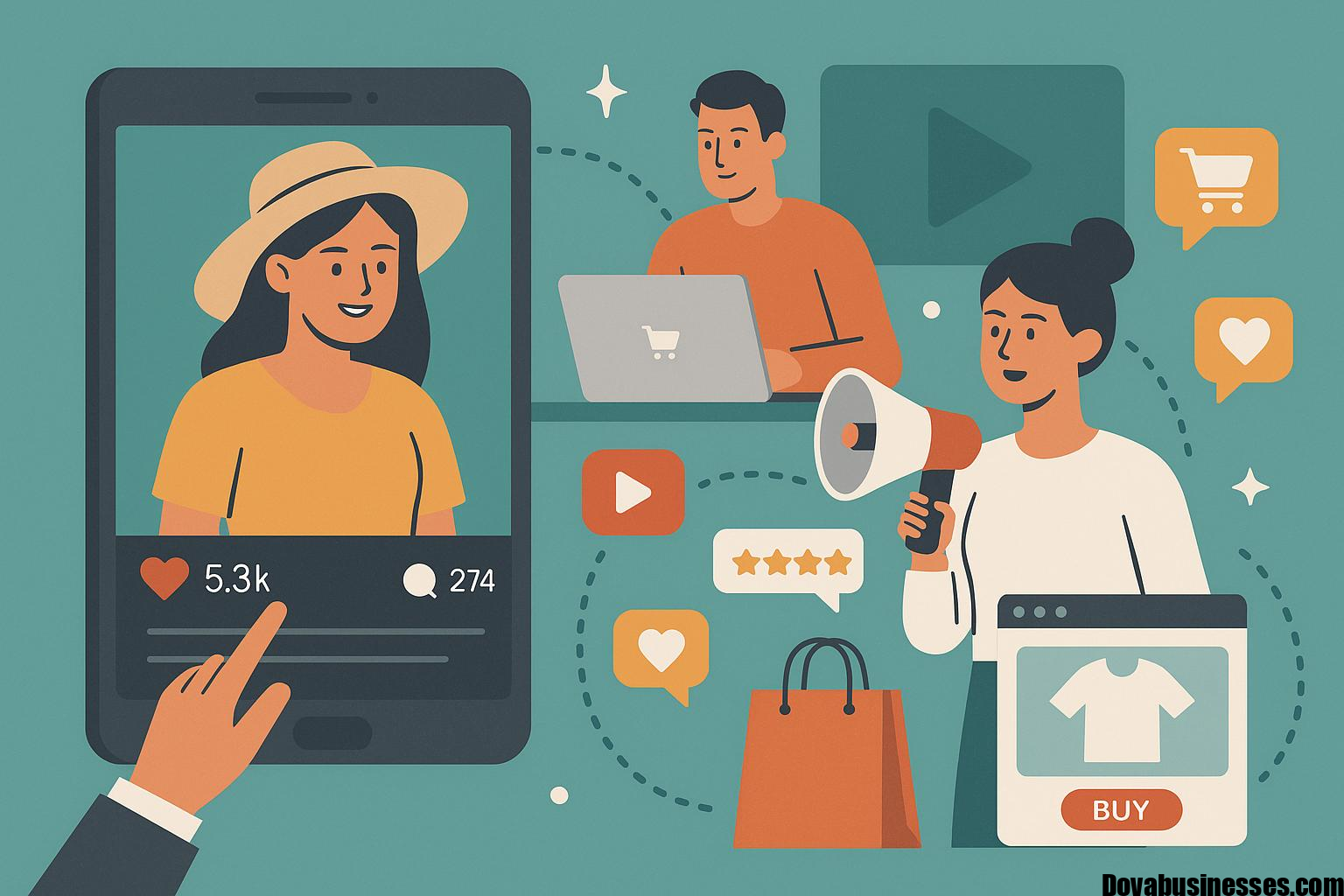
Family travel influencers help brands reach parents who make many of the family’s buying decisions, from flights and hotels to children’s products and activities. Their content combines travel ideas with practical family information, making it useful for Singapore parents planning their next trip.
This guide explains why family travel influencers are valuable in Singapore, which creators brands can consider, which industries can work with them, how to brief them, and how to measure campaign results.
It also covers campaign planning, Singapore advertising and child-safety requirements, and the key points brands should check before working with a family travel creator.
Why Singapore Family Travel Influencers are Uniquely Valuable
Singapore family travel creators are useful because their content reaches parents who are already planning, comparing, and buying. Their influence also extends beyond travel because the same parent may make several household purchases.
Three factors make this audience especially useful for brands:
- strong purchase intent,
- influence across several product categories,
- and a clear understanding of Singapore family life.
Here are the details.
High-Intent Audience
Singapore parents planning family trips are often actively researching destinations, hotels, flights, and activities before they buy. They are comparing options rather than simply scrolling through social media.
Family travel content can also be shared between parents while they plan a trip. A post may move from one partner to another during the decision process, which can be a useful conversion signal for brands.
Multi-Category Purchase Influence
A parent may follow a family travel creator for holiday ideas but also buy children’s travel accessories, travel insurance, airline seats, hotel upgrades, and educational experiences.
This gives brands access to several related buying decisions through one audience. A family travel campaign can therefore work across travel and other family-focused categories.
Singapore-Specific Context
Singapore families often deal with high living costs, dual-income work schedules, and limited annual leave. Many parents also value education and experiences that offer something useful for their children.
This creates demand for travel content that covers more than the destination. Parents also want practical information about cost, time, safety, activities, and what children can actually do during the trip.
Named Singapore Family Travel Influencers in 2026
Singapore has family travel creators covering luxury holidays, parenting, regional trips, and practical family itineraries. Valerie Lim, MissyQiqi, and Doranne Loke are examples of creators that brands can consider based on campaign goals.
Valerie Lim
Instagram: 10.2K+ followers
Valerie Lim focuses on luxury family travel and premium family-friendly resorts. Her audience includes affluent Singapore parents with children aged 3–12.
Best for: 5-star family resorts, premium airlines with family cabin products, and luxury children’s products.
MissyQiqi
Instagram: 23.9K followers
MissyQiqi is a Singapore travel and parenting blogger with a presence on missyqiqi.com and Instagram. Her content also has strong Google search visibility, giving brands both social and organic search reach.
She can be a useful choice for campaigns that need travel content to continue attracting visitors through search.
Best for: regional tourism boards, mid-range family hotels, and educational travel.
Doranne Loke
Instagram: @themerriedlife; 69.9K followers
Doranne Loke is an airline pilot’s wife and mother to two young boys based in Singapore. Her content focuses on tried-and-tested family travel itineraries for busy dual-income parents.
She also sells premium travel itineraries to her audience, which shows a strong purchase-intent relationship with her followers.
Best for: regional airlines covering family policies and luggage allowances, mid-range family hotels, and children’s travel accessories.
For campaigns that use several family travel creators, KOL management helps keep the briefs, content requirements, safety points, and product placement consistent across creators.
Brand Categories and How to Brief Family Travel Campaigns
Family travel campaigns work well for airlines, hotels, FMCG brands, education companies, and travel services. The brief should focus on the practical information parents need before they spend money.
A good brief should also tell creators which family experiences to show, who the campaign targets, and what content each platform needs.
Airlines
Airlines can use family travel creators to show practical details such as seat configuration, infant luggage, kids’ meals, and boarding priority. These details matter to Singapore parents because they often check family policies before booking.
Route launch campaigns for destinations such as Bali, Tokyo, and Melbourne can also use family creators to show what the trip looks like with children.
Hotels With Family Facilities
Hotels should show the features that matter to parents, including kids’ clubs, adjoining rooms, family pool safety, and children’s menus. These practical details can drive booking enquiries more effectively than photos that only show the hotel or destination.
Parents want to know how easy the property will be for the whole family.
FMCG Family Products
FMCG brands can place products naturally into travel content. Examples include sunscreen with SPF for travel, children’s travel snacks, and health vitamins for travel.
The product should fit the trip rather than feel like a separate advertisement. This makes the content easier for parents to understand and use.
What to Include in the Brief
The brief should state the children’s age range, because parents of toddlers may respond differently from parents of school-age children. It should also cover the family experiences to document, platform deliverables, posting schedule, and the target audience.
For example, the campaign could target honeymooners, couples, new parents, or established families. A professional influencer agency Singapore team can manage these requirements across the campaign.
Family Travel Campaign Process
A family travel campaign needs more planning than simply sending a product to a creator. Brands should agree on the audience, creator shortlist, family experiences, content requirements, approvals, and reporting before the campaign starts.
| Campaign stage | What the brand should check |
| 1. Set the goal | Decide if the campaign aims to drive bookings, awareness, enquiries, or product sales |
| 2. Choose creators | Check audience location, family type, children’s age range, engagement, and content quality |
| 3. Build the brief | List family experiences, products, safety points, platforms, and required deliverables |
| 4. Review content | Check factual claims, product details, brand requirements, and disclosure |
| 5. Publish | Confirm the agreed posting dates and platform deliverables |
| 6. Track results | Measure reach, engagement, enquiries, bookings, or sales |
| 7. Review creators | Compare creator-level results and identify who should be used again |
Singapore Advertising and Child-Safety Considerations
Family campaigns need extra care because children may appear in sponsored content. Brands and agencies should include clear advertising disclosures and avoid misleading claims about products, services, or children’s experiences.
ASAS guidelines cover advertising and marketing communications on social media. Sponsored content and other commercial relationships can require disclosure, and advertising should be legal, decent, honest, and truthful.
Brands should also consider Singapore’s Personal Data Protection Act (PDPA) when campaigns involve children’s personal data. The PDPC has specific advisory guidelines on children’s personal data in the digital environment.
For family campaigns, the contract should clearly state what can be filmed, what information can be shared, how content will be used, and where the content can appear.
Family Campaign Compliance Checklist
Add the required advertising disclosure to sponsored content.
Check that product claims are accurate and supported.
Avoid making misleading claims about children’s products or services.
Agree on how children’s images and personal information will be used.
State content usage rights clearly in the creator contract.
Give creators clear instructions on required disclosures.
Check the final content before publication.
ASAS also states that advertisements should not mislead consumers through inaccurate, exaggerated, or omitted information.
How to Measure Family Travel Influencer Campaigns
Do not judge a family travel campaign only by follower count or views. Track the actions that match the campaign goal, such as engagement, enquiries, bookings, or sales.
| Metric | What it tells the brand |
| Reach | How many people saw the content |
| Engagement | How actively the audience responded |
| CPE | How much each engagement cost |
| Link clicks | How many people visited the brand or booking page |
| Enquiries | How many people showed direct interest |
| Bookings | How many customers booked after the campaign |
| Sales | How much revenue the campaign generated |
For hotel and airline campaigns, use tracking links, booking codes, or other attribution methods where available. This helps the brand see which creators actually influenced enquiries and bookings.
FAQs
Who are the Top Family Travel Influencers in Singapore?
Singapore’s leading family travel influencers include Valerie Lim, with a focus on luxury family travel; MissyQiqi, with social and Google search reach; and Doranne Loke (@themerriedlife), who shares family travel itineraries for time-pressed dual-income parents.
Other creators focus on areas such as toddler travel, educational travel, and multi-generational family trips.
The right choice depends on the family audience and product category the brand wants to reach.
What Brands Work Best With Family Travel Influencers in Singapore?
Airlines, family-friendly hotels, children’s FMCG products, educational enrichment brands, and travel insurance can all work well with family travel creators.
Family-friendly hotels are a particularly relevant category because creators can show practical features such as kids’ clubs, family pools, children’s menus, and room options.
These details give parents information they can use when deciding where to book.
How Should I Brief a Singapore Family Travel Influencer?
A family travel brief should cover the children’s age range, family experiences to show, parent concerns, platform deliverables, posting timeline, and target audience.
For example, the brief can focus on value, logistics, or safety and ask for content such as a feed post, Stories, or a Reel.
Brands should also state if they want to reach honeymooners, new parents, or established families.
Creators should still have room to show real family moments. Unscripted family content can feel more natural than staged scenes and may perform better for engagement and conversion.








Post Comment