How Glass Innovation Is Creating New Business Opportunities in Modern Design and Construction
Introduction
The global design and construction industry is undergoing a transformation. Traditional materials like wood, concrete, and steel are now complemented and often enhanced by innovative glass solutions that combine style, safety, and functionality. This shift has opened a wealth of opportunities for businesses, entrepreneurs, and investors eager to tap into the growing demand for modern design trends.
From luxury residential developments to commercial projects and high-end hospitality, glass is no longer just a practical building material; it has become a cornerstone of modern architecture and interior design. With applications ranging from furniture to partitions, and from tempered safety panels to energy-efficient windows, businesses can capitalize on both aesthetic and functional value.
Market Trends Driving Glass Innovation
Modern consumers increasingly seek homes and commercial spaces that are not only functional but also stylish, open, and light-filled. According to recent studies:
- The global architectural glass market is projected to grow at a CAGR of 7.5% between 2023 and 2030, driven by demand for modern commercial and residential buildings.
- Sustainability trends, including energy-efficient glazing, have boosted demand for advanced glass materials.
- Interior design trends emphasizing open-plan layouts, natural light, and minimalist aesthetics have increased the use of glass furniture, partitions, and decorative panels.
These trends create business opportunities at multiple levels from manufacturing and distribution to installation and design consulting.
Glass in Modern Interiors: Opportunities for Furniture Businesses
Furniture businesses are seeing rising demand for glass-based products. Glass furniture is now considered both luxurious and practical, making it ideal for contemporary homes, offices, and hospitality spaces.
Custom Glass Table Tops
One of the fastest-growing segments is custom glass table tops. These pieces combine durability with elegance, allowing furniture businesses to offer bespoke solutions for clients seeking open, light-filled interiors.
Key benefits driving consumer demand:
- Enhances visual space by allowing flooring and surrounding décor to remain visible
- Creates a sleek, minimalist aesthetic
- Durable and easy to maintain
Businesses that provide custom glass table tops can tap into both residential and commercial markets, offering tailored solutions that meet unique design needs.
Strategic Business Angle
Companies can differentiate themselves by offering:
- Made-to-order dimensions and shapes
- Designer collaborations
- Tempered and laminated options for added safety
This adds value for clients and positions businesses as premium service providers.
Safety and Tempered Glass: Essential for Modern Construction
Tempered glass has become a standard in contemporary construction, providing both safety and aesthetic appeal. Unlike regular glass, tempered glass or toughened glass is engineered to break into small, blunt pieces rather than sharp shards, minimizing injury risk in residential, commercial, and public spaces.
Applications of Tempered Glass
- Staircase railings and balustrades
- Shower enclosures and bathroom partitions
- Commercial partitions and office dividers
- Furniture surfaces including tables and shelving
By specializing in tempered glass solutions, businesses can target both safety-conscious homeowners and commercial clients, establishing a reputation for reliability and quality.
Architectural Glass: Expanding Opportunities in Construction
Architects and construction firms are increasingly specifying high-performance glass for large-scale projects. Opportunities for businesses include:
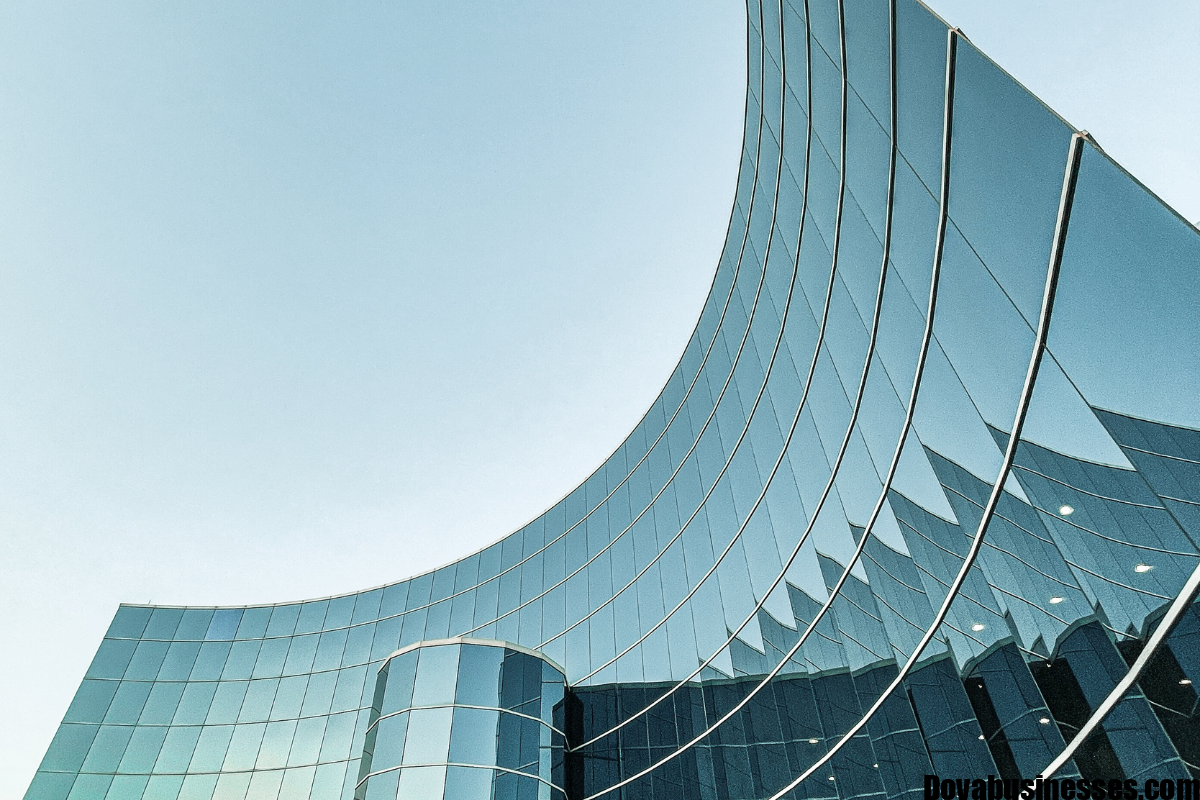
- Facade systems and curtain walls: Large glass panels that improve natural lighting and reduce energy costs.
- Energy-efficient glazing: Specialized coatings that improve insulation and reduce heat transfer.
- Decorative and textured glass panels: Used for branding, privacy, and visual impact in offices and hospitality environments.
Glass innovations allow firms to meet sustainability goals while delivering modern, attractive buildings a combination that resonates with investors and clients alike.
The Role of Glass in Luxury and Hospitality Design
Luxury hotels, resorts, and high-end vacation rentals are driving premium glass applications. Examples include:
- Glass walls to maximize ocean or city views
- Custom glass furniture in suites and lounges
- Tempered glass pool enclosures and safety railings
For entrepreneurs and interior designers, this creates opportunities to offer bespoke design services and glass installations tailored to upscale clients.
Residential Renovations and the Home Improvement Market
Homeowners increasingly seek modern, open-plan designs that maximize light and visual space. Glass plays a central role in this transformation, offering opportunities for small and medium-sized businesses:
- Glass partitions for open-concept living
- Glass stair treads and railings for modern homes
- Custom furniture and table tops
Renovation projects can be a lucrative source of repeat business, especially when paired with value-added services such as installation, consultation, and maintenance.
Business Models Leveraging Glass Innovation
Entrepreneurs can approach glass opportunities in multiple ways:
- Manufacturing & Distribution – Produce custom glass panels, furniture, or tempered glass for local and online markets.
- Design & Consulting – Offer interior and architectural consultation emphasizing glass elements.
- Installation & Maintenance – Provide specialized services for residential and commercial projects.
- Online Retail & E-Commerce – Sell pre-made or custom glass furniture, table tops, and home décor directly to consumers.
The versatility of glass allows businesses to operate in multiple verticals, maximizing revenue potential.
Marketing Glass Solutions in 2026
To successfully market glass-related products and services, businesses should focus on:
- Visual storytelling: Use high-quality photos showing how glass enhances light, space, and safety.
- Highlighting benefits: Safety, durability, and style should be clearly communicated.
- Targeted advertising: Residential, commercial, and hospitality segments require different messaging.
- Collaborations: Partner with designers, architects, and contractors for project-based opportunities.
Social media, Pinterest, and Instagram are particularly effective for showcasing glass furniture and interior applications.
Sustainability and Energy Efficiency as a Selling Point
Sustainability is a growing concern among consumers and developers. Glass technology supports energy-efficient building design through:
- Low-emissivity (Low-E) coatings
- Insulated glass units for thermal regulation
- Reflective and tinted glass for reducing cooling costs
Businesses that emphasize eco-friendly glass solutions can attract environmentally conscious clients and position themselves as forward-thinking leaders in the market.
Future Trends and Business Potential
Looking ahead, glass innovation will continue to unlock opportunities:
- Smart glass: Adjustable transparency for privacy and lighting control
- Anti-reflective and glare-reducing coatings for modern interiors and vehicles
- Integration with technology: Embedded displays, touch functionality, and sensors
Companies that adopt cutting-edge solutions early can differentiate themselves, capture premium markets, and establish long-term competitive advantage.
Conclusion
Glass innovation is more than a design trend it’s a catalyst for business growth in modern design and construction. From custom glass table tops in residential interiors to tempered glass panels in safety-critical applications, opportunities abound for manufacturers, installers, designers, and entrepreneurs.
By understanding market trends, consumer preferences, and technological advancements, businesses can capitalize on the rising demand for stylish, durable, and functional glass solutions.
Disclaimer
The information provided in this article, “How Glass Innovation Is Creating New Business Opportunities in Modern Design and Construction,” is for general informational and educational purposes only. While every effort has been made to ensure the accuracy and reliability of the content, it does not constitute professional, financial, legal, or business advice.
Readers should not rely solely on this information when making decisions regarding investments, business ventures, or construction projects. Market trends, consumer preferences, and technological developments are subject to change, and results may vary depending on individual circumstances.







Post Comment