The Future of International Vehicle Shipping in a Digitised Trade Environment
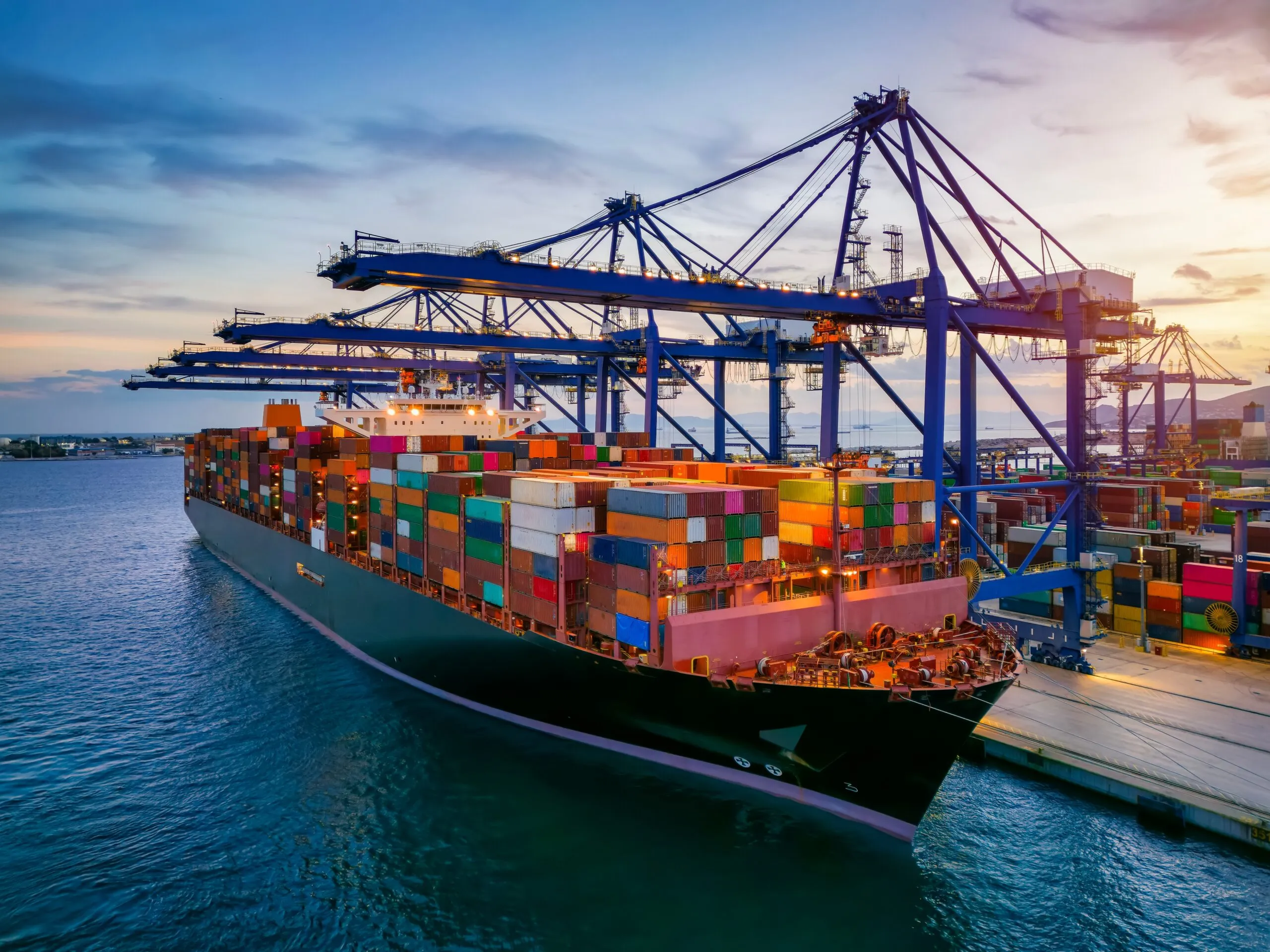
International trade is undergoing a fundamental transformation. Automation, data integration, and digital compliance are reshaping how goods move across borders. Within this landscape, Car shipping from Europe to Dubai is increasingly influenced by technology, transparency, and operational intelligence rather than manual coordination alone.
Exporters who adapt to this shift gain speed, accuracy, and resilience. Those who rely on outdated processes face rising friction and declining competitiveness.
Digital Documentation Is Becoming the Norm
Paper-based documentation has long been a source of delay and error in international shipping. Today, digital export filings, electronic bills of lading, and online customs portals are reducing manual handling and improving accuracy.
As authorities modernise systems, exporters who adopt digital workflows experience faster approvals and fewer discrepancies. Digital records also create audit trails, simplifying compliance checks and dispute resolution.
The future belongs to exporters who treat documentation as data, not paperwork.
Visibility Improves Planning and Confidence
Modern logistics platforms provide real-time visibility into shipment status, vessel schedules, and clearance progress. This transparency allows exporters to plan downstream activities with greater precision.
Knowing exactly when a vehicle will arrive enables better coordination with buyers, transport providers, and storage facilities. It also reduces uncertainty — one of the biggest hidden costs in logistics.
Visibility transforms shipping from a black box into a manageable process.
Predictive Logistics Is Replacing Reactive Decisions
Advanced analytics are enabling predictive logistics. By analysing historical shipping data, exporters can anticipate delays, identify bottlenecks, and select optimal routes.
Predictive insights help exporters avoid peak congestion periods, choose faster clearance pathways, and align shipments with market demand cycles. This proactive approach reduces surprises and improves overall efficiency.
The shift from reactive problem-solving to predictive planning marks a major industry evolution.
Compliance Automation Reduces Risk
Compliance requirements continue to grow in complexity. Automated compliance checks now flag potential issues before shipments depart, reducing the risk of inspection failures and rejections.
These systems cross-verify documentation, vehicle specifications, and regulatory requirements in advance. Exporters who use such tools experience fewer delays and lower administrative overhead.
Automation does not replace expertise — it amplifies it.
Sustainability Is Influencing Shipping Decisions
Environmental considerations are increasingly shaping logistics strategies. Carriers are investing in fuel-efficient vessels, and ports are adopting greener operations. Exporters are beginning to factor sustainability into route selection and carrier choice.
While cost remains important, reputational and regulatory pressures are pushing the industry toward cleaner practices. Forward-thinking exporters recognise sustainability as both a responsibility and a competitive signal.
Integration Creates Competitive Advantage
The future of vehicle shipping lies in integration. Systems that connect sourcing, logistics, compliance, and sales provide end-to-end control. Exporters with integrated platforms move faster, make better decisions, and scale more efficiently.
Fragmented workflows, by contrast, introduce delays and blind spots.
Integration turns complexity into clarity.
Human Expertise Still Matters
Despite technological advances, human judgment remains essential. Negotiation, exception handling, and strategic decision-making cannot be fully automated. The most effective exporters combine technology with experienced oversight.
Technology handles repetition. Expertise handles nuance.
Preparing for the Next Phase of Growth
As global trade continues to digitise, exporters who adapt early will lead. Investment in systems, data discipline, and compliance intelligence will separate high-performing operators from those left behind.
International vehicle shipping is no longer just about moving assets — it is about managing information, risk, and timing at scale.
Final Perspective
The future of vehicle shipping rewards those who embrace transparency, automation, and strategic thinking. Exporters who evolve with the industry will operate faster, safer, and more profitably in an increasingly competitive global market.











Post Comment