Labarty: Redefining the Future of Modern Laboratories
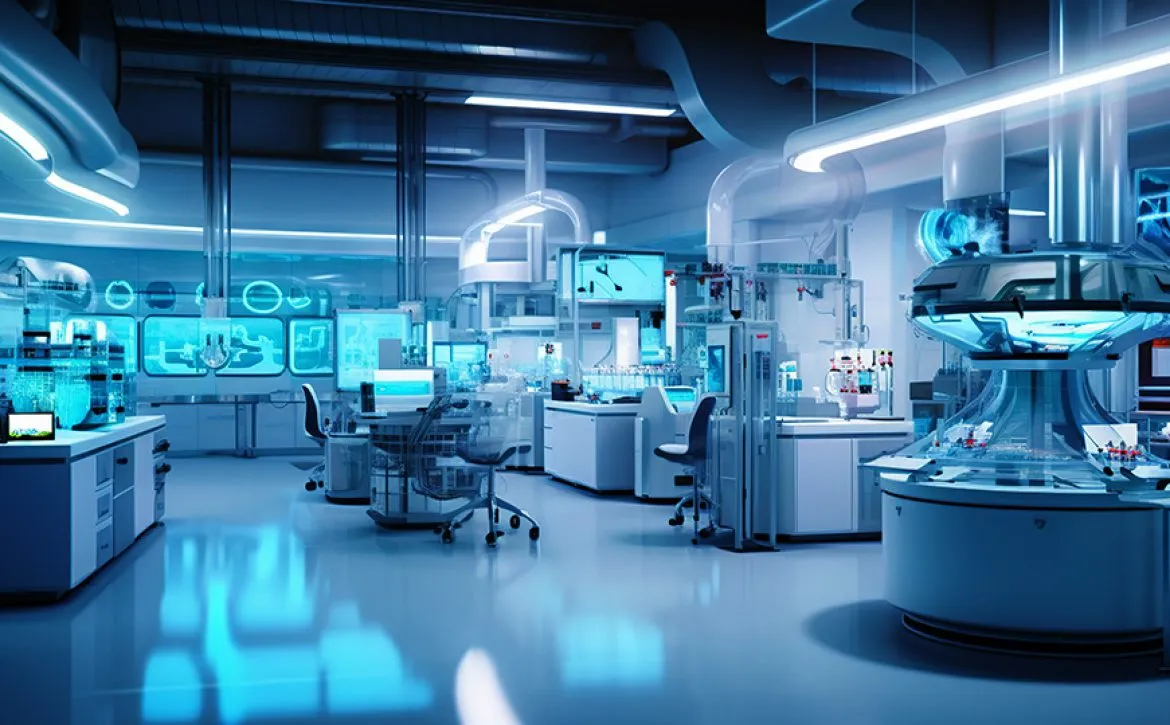
In a world driven by science, innovation, and data, laboratories are no longer just quiet rooms filled with test tubes and microscopes. They have evolved into intelligent ecosystems where technology, automation, and human expertise come together. This evolution is often summarized under a growing concept known as Labarty.
Labarty represents the modern laboratory mindset—one that emphasizes efficiency, accuracy, digital integration, and sustainable practices. From medical research to industrial testing, Labarty-driven environments are reshaping how experiments are conducted, results are analyzed, and discoveries are made. This article explores what Labarty means, how it works, and why it is becoming essential in today’s research and development landscape.
What is Labarty ?
At its core, Labarty is not a single product or tool. Instead, it is a holistic approach to laboratory design, management, and operation. It blends traditional scientific methods with modern technologies such as automation, artificial intelligence, cloud computing, and data analytics.
Labarty focuses on three primary pillars:
- Precision and reliability in experiments
- Digital transformation of lab processes
- Sustainability and safety in laboratory environments
This approach ensures that laboratories can meet growing global demands for faster results, higher accuracy, and better compliance with international standards.
The Evolution of Laboratories Toward Labarty
Traditional laboratories relied heavily on manual work. Scientists recorded results by hand, managed samples physically, and often faced delays due to human error or equipment limitations. While these labs laid the foundation for modern science, they struggled to keep up with today’s pace of innovation.
The shift toward Labarty began with the introduction of digital instruments and laboratory information management systems (LIMS). Over time, automation reduced repetitive tasks, while software tools improved data tracking and collaboration.
Today, Labarty-driven labs are smart environments where machines communicate with each other, data flows securely in real time, and researchers can focus more on analysis rather than routine operations.
Key Components of a Labarty Environment
1. Smart Laboratory Infrastructure
Labarty laboratories are built with intelligent infrastructure. Sensors monitor temperature, humidity, and air quality to ensure optimal experimental conditions. Equipment is interconnected, allowing seamless data sharing and automated alerts in case of irregularities.
This infrastructure minimizes risks, protects sensitive samples, and ensures consistent experimental outcomes.
2. Automation and Robotics
Automation is a defining feature of Labarty. Robotic systems handle repetitive tasks such as sample preparation, pipetting, and labeling. This reduces human error while increasing throughput and efficiency.
Automated workflows also allow laboratories to operate continuously, which is particularly valuable in pharmaceutical research, diagnostics, and industrial testing.
3. Digital Data Management
Data is the backbone of modern science. Labarty emphasizes centralized digital data management, where experimental results are stored securely and can be accessed instantly.
Cloud-based platforms enable researchers to collaborate across borders, share findings, and maintain transparent records for audits and compliance. This digital backbone significantly improves productivity and reproducibility.
4. Artificial Intelligence and Analytics
AI-powered tools are increasingly used in Labarty systems to analyze complex datasets. Machine learning algorithms can identify patterns, predict outcomes, and even suggest experimental optimizations.
This capability is transforming fields such as genomics, drug discovery, and material science, where massive amounts of data must be interpreted quickly and accurately.
Applications of Labarty Across Industries
Healthcare and Medical Research
In healthcare, Labarty plays a crucial role in diagnostics, vaccine development, and personalized medicine. Automated testing systems speed up diagnosis while maintaining high accuracy.
Labarty-based labs also support rapid research during global health crises, allowing scientists to analyze samples efficiently and develop treatments faster.
Pharmaceutical and Biotechnology
The pharmaceutical industry benefits greatly from Labarty-driven laboratories. Drug discovery processes that once took years can now be accelerated through automation and AI-driven simulations.
Quality control labs use Labarty systems to ensure consistency, regulatory compliance, and patient safety across production batches.
Environmental and Chemical Analysis
Environmental laboratories use Labarty solutions to monitor pollution, test water quality, and analyze soil samples. Automated sampling and real-time data analysis help organizations respond quickly to environmental threats.
This is particularly important in industries focused on sustainability and regulatory compliance.
Education and Academic Research
Universities and research institutions are adopting Labarty concepts to modernize teaching and experimentation. Digital labs allow students to simulate experiments, analyze real datasets, and collaborate remotely.
This prepares future scientists for real-world laboratory environments and enhances learning outcomes.
Benefits of Adopting Labarty
Increased Efficiency
By automating routine tasks and optimizing workflows, Labarty significantly increases laboratory efficiency. Researchers can conduct more experiments in less time without compromising quality.
Improved Accuracy and Reproducibility
Human error is one of the biggest challenges in laboratory work. Labarty systems reduce variability and ensure consistent procedures, leading to more reliable results.
Enhanced Safety
Smart monitoring systems and automated handling of hazardous materials reduce risks for laboratory staff. Labarty environments are designed with safety as a top priority.
Cost Optimization
Although initial implementation may require investment, Labarty reduces long-term costs by minimizing waste, preventing errors, and improving resource utilization.
Challenges in Implementing Labarty
Despite its advantages, adopting Labarty is not without challenges.
- High initial costs: Advanced equipment and software can be expensive.
- Training requirements: Staff must be trained to operate and maintain new systems.
- Data security concerns: Digital systems require robust cybersecurity measures.
However, these challenges can be addressed through phased implementation, strategic planning, and expert support.
The Role of Sustainability in Labarty
Sustainability is a growing focus in modern laboratories. Labarty promotes eco-friendly practices such as energy-efficient equipment, reduced chemical waste, and optimized resource usage.
Green labs not only reduce environmental impact but also align with global sustainability goals and regulatory requirements.
The Future of Labarty
As technology continues to evolve, Labarty will become even more advanced. Future laboratories may feature fully autonomous systems, virtual reality-based experiment design, and deeper integration with global research networks.
The concept of Labarty will continue to expand beyond physical spaces, enabling virtual laboratories where simulations complement real-world experiments.
Conclusion
Labarty represents the next generation of laboratory innovation. It combines automation, digital intelligence, and sustainable practices to create efficient, accurate, and future-ready research environments.
From healthcare and pharmaceuticals to education and environmental science, Labarty is transforming how laboratories operate and how discoveries are made. While challenges exist, the long-term benefits far outweigh the obstacles.
As science and technology advance, Labarty will play a critical role in shaping the future of research, innovation, and global progress.
Disclaimer:
The information provided in this article is for general informational purposes only. It does not constitute professional, legal, or technical advice. While efforts are made to ensure accuracy, no guarantees are given regarding completeness or reliability. Any actions taken based on this content are at the reader’s own risk.












Post Comment