Drilling and Hammering: A Complete Guide
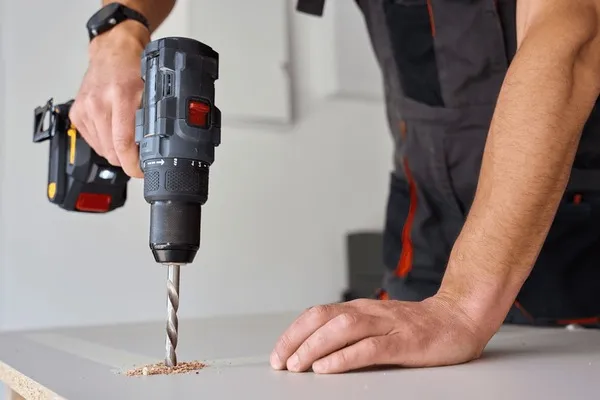
Drilling and hammering are two of the most fundamental activities in construction, home improvement, woodworking, and industrial work. Whether you are a professional tradesperson or a DIY enthusiast, mastering drilling and hammering is essential for completing tasks efficiently and safely. From installing shelves and assembling furniture to large-scale construction projects, these techniques form the backbone of countless applications.
This in-depth guide explores everything you need to know about drilling and hammering, including tools, methods, materials, safety practices, and modern innovations that are shaping how these tasks are performed today.
Understanding the Basics of Drilling and Hammering
At its core, drilling and hammering involve applying force to penetrate or shape materials. Drilling creates precise holes using rotating tools, while hammering delivers impact force to drive nails, fasteners, or break materials.
Although they may seem simple, effective drilling and hammering require proper technique, tool selection, and material knowledge. Incorrect use can lead to damaged surfaces, wasted materials, or serious injury.
Drilling and Hammering Tools Explained
Choosing the right tools is critical for successful drilling and hammering. Different tasks demand different equipment.
Drilling Tools
- Hand drills – Manual tools for light tasks
- Electric drills – Common for household and professional use
- Hammer drills – Combine rotation with impact for masonry
- Rotary drills – Heavy-duty tools for concrete and stone
Hammering Tools
- Claw hammers – Ideal for nails and general work
- Ball-peen hammers – Used in metalworking
- Sledgehammers – Heavy-duty demolition
- Mallets – Non-damaging hammering for delicate surfaces
Understanding these tools helps ensure precise and safe drilling and hammering.
Materials Commonly Used in Drilling and Hammering
Different materials respond differently to drilling and hammering, and knowing how each behaves is essential.
Wood
- Easy to drill and hammer
- Requires sharp bits to avoid splintering
- Pre-drilling helps prevent cracking
Metal
- Requires specific drill bits
- Slower speeds reduce overheating
- Hammering must be controlled to avoid deformation
Concrete and Masonry
- Requires hammer drills
- Carbide-tipped drill bits recommended
- Hammering often involves chisels or anchors
Each material demands a tailored approach for optimal results.
Drilling and Hammering Techniques for Beginners
Learning correct techniques early improves efficiency and safety in drilling and hammering.
Drilling Techniques
- Mark the drilling point accurately
- Start with slow speed for control
- Maintain steady pressure
- Keep the drill perpendicular
Hammering Techniques
- Grip the hammer firmly but relaxed
- Use controlled swings
- Let the hammer’s weight do the work
- Strike squarely for accuracy
Practicing these fundamentals builds confidence and precision.
Advanced Drilling and Hammering Methods
For experienced users, advanced drilling and hammering techniques improve productivity and quality.
Advanced drilling methods include:
- Step drilling for larger holes
- Pilot holes for accuracy
- Counterboring and countersinking
Advanced hammering techniques involve:
- Precision nailing
- Controlled demolition
- Specialized fastening systems
These methods are commonly used in professional construction and manufacturing.
Drilling and Hammering in Construction Projects
In construction, drilling and hammering are daily activities. They are used for:
- Framing structures
- Installing electrical and plumbing fixtures
- Mounting drywall and insulation
- Securing anchors and fasteners
Construction workers rely on high-powered tools and proven techniques to meet strict timelines and safety standards.
Drilling and Hammering in Home Improvement
Homeowners frequently use drilling and hammering for:
- Hanging shelves and artwork
- Assembling furniture
- Installing cabinets
- Making small repairs
DIY projects often require precision rather than force, making proper technique especially important.
Safety Guidelines for Drilling and Hammering
Safety is a top priority when performing drilling and hammering tasks. Even simple jobs can become dangerous if proper precautions are ignored.
Essential Safety Tips
- Wear safety goggles
- Use gloves when appropriate
- Secure the workpiece
- Keep tools well-maintained
- Disconnect power before adjustments
Being safety-conscious reduces the risk of injury and equipment damage.
Common Mistakes in Drilling and Hammering
Avoiding common mistakes improves results and prevents frustration during drilling and hammering.
Common errors include:
- Using the wrong drill bit
- Applying excessive force
- Drilling at incorrect angles
- Hammering without proper support
Awareness of these mistakes helps users work more efficiently and safely.
Drilling and Hammering in Industrial Applications
In industrial environments, drilling and hammering are used on a larger scale. These tasks support:
- Manufacturing assembly lines
- Equipment installation
- Structural maintenance
- Metal fabrication
Industrial drilling and hammering often involve automated or pneumatic tools designed for speed and precision.
The Role of Technology in Modern Drilling and Hammering
Technology has significantly improved drilling and hammering tools and methods. Modern innovations include:
- Cordless power tools
- Brushless motors
- Smart torque control
- Vibration reduction systems
These advancements reduce user fatigue, improve accuracy, and enhance safety.
Choosing the Right Drill Bits and Hammer Types
Selecting the correct accessories is crucial for effective drilling and hammering.
Drill Bit Selection
- Wood bits for timber
- HSS bits for metal
- Masonry bits for concrete
- Step bits for sheet metal
Hammer Selection
- Lightweight hammers for precision
- Heavy hammers for force
- Rubber mallets for delicate surfaces
Proper selection ensures clean results and longer tool life.
Maintenance of Drilling and Hammering Tools
Tool maintenance extends the life of equipment used for drilling and hammering.
Maintenance practices include:
- Cleaning tools after use
- Sharpening drill bits
- Inspecting handles and cords
- Storing tools properly
Well-maintained tools perform better and improve job safety.
Environmental Considerations in Drilling and Hammering
Sustainable practices are becoming important in drilling and hammering operations.
Environment-friendly practices include:
- Using energy-efficient tools
- Reducing material waste
- Recycling metal shavings
- Choosing durable, long-lasting tools
These steps help reduce environmental impact without sacrificing performance.
Training and Skill Development for Drilling and Hammering
Professional training improves expertise in drilling and hammering.
Training options include:
- Vocational courses
- On-the-job training
- Online tutorials
- Safety certification programs
Continuous learning keeps skills up to date with modern tools and methods.
Why Drilling and Hammering Skills Matter
Mastery of drilling and hammering is valuable across multiple industries. These skills:
- Increase productivity
- Improve job quality
- Enhance safety
- Support career advancement
From construction workers to hobbyists, strong fundamentals make a noticeable difference.
Future Trends in Drilling and Hammering
The future of drilling and hammering is shaped by automation and smart technology. Expected trends include:
- AI-assisted tools
- Smart sensors for precision
- Lightweight high-strength materials
- Increased cordless tool efficiency
These advancements will continue to improve performance and user experience.
Final Thoughts on Drilling and Hammering
Drilling and hammering may appear simple, but they are essential skills that require knowledge, practice, and the right tools. From small household tasks to large industrial projects, effective drilling and hammering ensure accuracy, durability, and safety.
By understanding proper techniques, choosing the right tools, and following safety guidelines, anyone can perform drilling and hammering tasks with confidence and precision. As technology continues to evolve, these timeless skills will remain at the heart of construction and craftsmanship.












Post Comment