Breaking Down eBike Battery Tech What Makes a Longer Lasting Charge
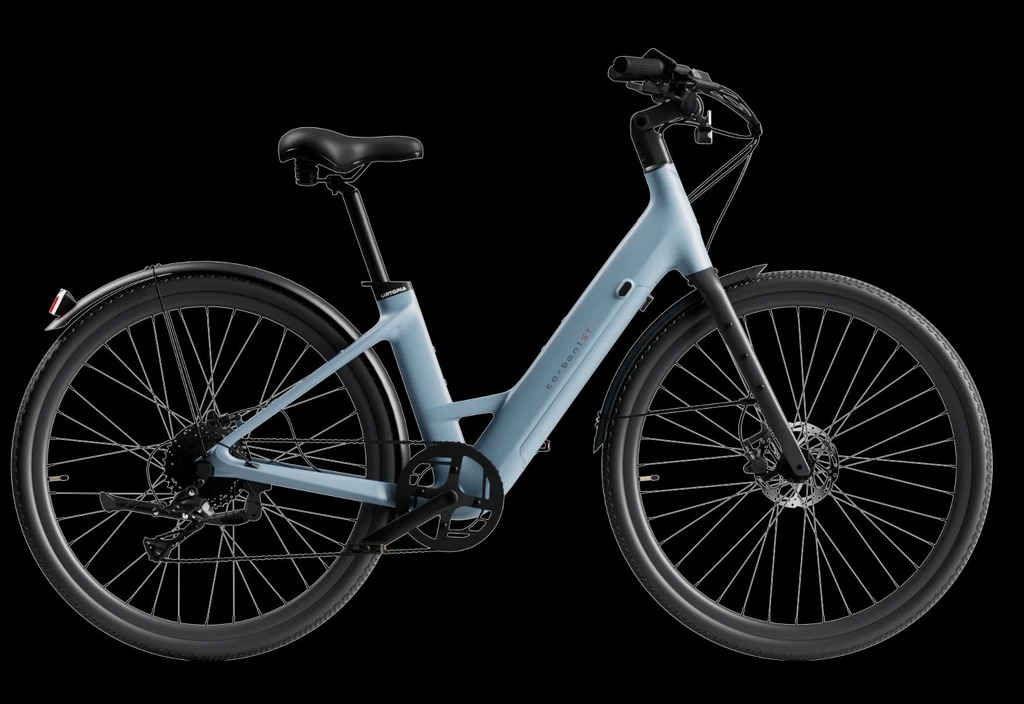
In the fast-evolving world of micromobility, the quest for good electric bikes has shifted from mere motor power to the sophistication of the energy source. As we enter 2026, the battery is no longer just a “fuel tank” but a complex, intelligent system that determines not only how far you can go but how many years your investment will last.
The secret to a superior e bike experience lies beneath the casing. For the modern American commuter, understanding the interplay between cell chemistry, smart management systems, and safety standards is the key to choosing a ride that won’t leave them stranded or facing a costly replacement after just a few seasons.
The Core of the Powerhouse: Understanding Energy Density
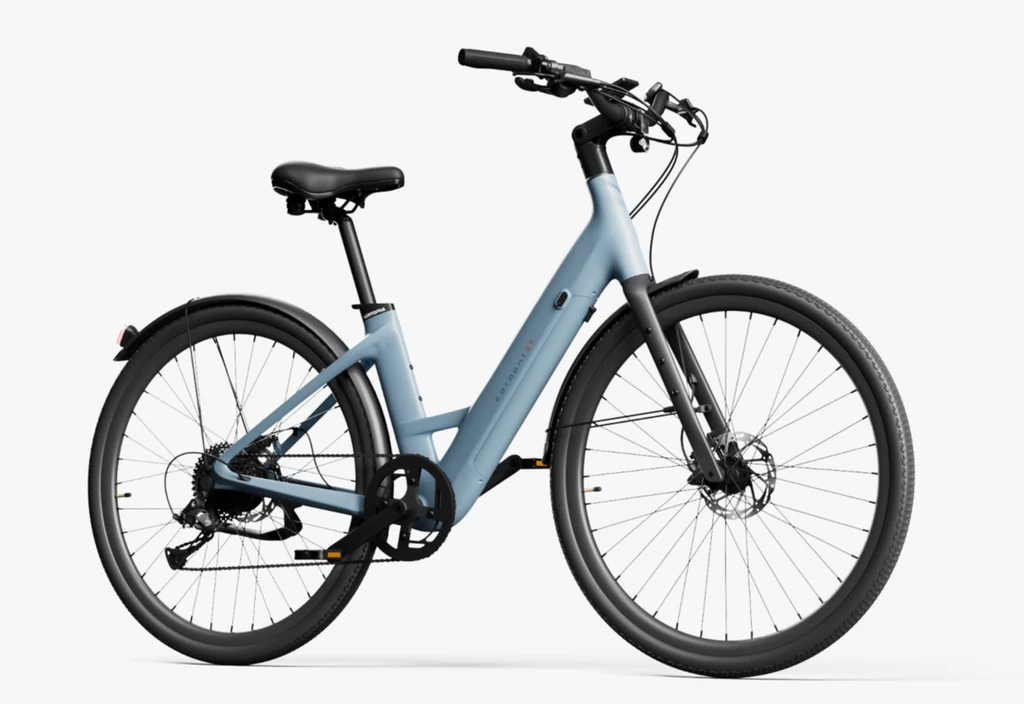
At the most basic level, your battery’s capacity is measured in Watt-hours ($Wh$), which is the product of Voltage ($V$) and Amp-hours ($Ah$). In 2026, the industry has largely transitioned from the older 18650 cell standard to the 21700 cell standard. These larger cells offer roughly 20% higher energy density, allowing manufacturers to pack more power into a smaller, lighter frame.
Higher energy density is the primary reason why modern mid-range models can now achieve 60–100 miles on a single charge. However, density is a double-edged sword; more energy in a smaller space requires better thermal management to prevent degradation. This is why top-tier brands prioritize high-quality cells from manufacturers like Panasonic, LG, or Samsung, which maintain their “internal health” much longer than generic alternatives.
The Shift to Solid-State and Advanced Chemistries
While standard Lithium-Ion (Li-ion) remains the king of the market, 2026 is seeing the commercial debut of Solid-State batteries and the rise of Lithium Iron Phosphate (LiFePO4). These aren’t just buzzwords; they represent a fundamental change in how your good electric bikes stores energy.
Solid-State Technology: The 2026 Game Changer
Solid-state batteries replace the liquid electrolyte found in traditional batteries with a solid conductive material. This technology is the “Holy Grail” of eBiking because it is virtually non-flammable and can reach 80% charge in under 15 minutes. While still appearing primarily in premium flagship models, solid-state tech offers nearly double the energy density of traditional packs.
The Rise of LiFePO4 for Longevity
For riders who prioritize lifespan over weight, LiFePO4 has become a favorite. While slightly heavier, these batteries can handle over 3,000 charge cycles before seeing significant capacity loss. For a daily commuter, this could mean 10 years of riding without needing a replacement, compared to the 3–5 year lifespan of standard Li-ion packs.
Smart BMS: The “Brain” That Saves Your Battery
A battery is only as good as the system that manages it. The Battery Management System (BMS) is a dedicated circuit board that acts as a guardian for every individual cell within the pack. Without a robust BMS, even the most expensive cells can fail prematurely due to voltage imbalances or thermal stress.
In 2026, “Smart BMS” has become the industry standard for high-quality rides. These systems use AI-driven algorithms to perform Active Cell Balancing. If one cell group is working harder than the others, the BMS redistributes the load in real-time. This prevents “voltage sag”—that frustrating loss of power you feel when your battery hits 20%—and can extend the overall service life of your battery pack by 20% to 40%.
Charging Habits That Actually Move the Needle
Physics dictates that how you treat your battery at the outlet matters as much as how you use it on the road. The “80/20 Rule” is the single most effective way to protect your investment, yet it remains one of the most misunderstood aspects of ownership.
The Golden 20-80% Rule
Lithium-based batteries experience the most “chemical stress” when they are completely empty or completely full. By keeping your charge between 20% and 80% for daily use, you significantly reduce the wear on the internal chemistry. Modern smart chargers in 2026 even feature a “Lifespan Mode” that automatically stops charging at 80% to prevent the cells from sitting at a high-voltage state, which accelerates aging.
Avoiding the “Fast Charge” Trap
Fast chargers are convenient, but they generate significant internal heat. Over time, frequent fast-charging can “cook” the cells, leading to permanent capacity loss. Whenever possible, use a standard 2A charger for overnight replenishment. This keeps internal temperatures low and the chemical structures stable, ensuring that your 50-mile range doesn’t drop to 30 miles within the first year.
Safety and Standards: The UL 2849 Era in the US
Safety is the non-negotiable metric of 2026. After years of unregulated “DIY” batteries causing issues, the UL 2849 certification has become the gold standard for American retailers. This standard doesn’t just test the battery; it tests the entire electrical system—including the charger, motor, and wiring—to ensure they work as a unified, fire-safe ecosystem.
When a system is UL-certified, it means it has passed rigorous “abuse testing,” including drop tests, water immersion, and overcharge simulations. For an American rider, this certification is the best insurance against thermal runaway. It is a mark of engineering quality that separates professional-grade commuting tools from cheaply made toys that might pose a risk to your home.
Real-World Factors: What Drains Your Juice on the Road?
Finally, it is important to remember that the “Range” advertised by manufacturers is often a best-case scenario. Several external factors can dramatically impact your “per-charge” distance, and understanding them allows you to ride more efficiently.
- Torque vs. Cadence Sensors: Bikes with torque sensors are generally more battery-efficient because they only provide power proportional to your actual effort. This prevents the motor from “over-assisting” and wasting energy.
- Tire Pressure: Riding with low tire pressure increases rolling resistance, which can drain your battery 10–15% faster. Keeping your tires at the recommended PSI is the easiest way to “upgrade” your range for free.
- Temperature Extremes: Lithium-ion batteries struggle in the cold. Riding in sub-freezing temperatures can temporarily reduce your range by 30%. In 2026, many high-end batteries now include “Self-Heating” circuits or thermal sleeves to combat this winter drain.
Investing in the Future of Your Ride
The quest for a longer-lasting charge is no longer a mystery. It is a combination of advanced chemistry, intelligent software, and disciplined rider habits. In 2026, the most successful commuters are those who look beyond the price tag and invest in a system protected by a Smart BMS and verified by UL standards.
Your battery is the heart of your journey. By understanding the tech inside, you aren’t just buying a bike; you are securing years of reliable, high-performance transit. As battery costs continue to stabilize, the value of a well-maintained, high-capacity pack only increases, providing better resale value and a more consistent riding experience.
Disclaimer
The information provided in this article, “Breaking Down eBike Battery Tech: What Makes a Longer-Lasting Charge,” is intended for general informational and educational purposes only. While every effort has been made to ensure the accuracy and timeliness of the content as of 2026, battery technologies, safety standards, performance metrics, and industry regulations are continually evolving.
This article does not constitute professional, engineering, electrical, or safety advice, nor should it be relied upon as a substitute for guidance from certified eBike manufacturers, battery specialists, or regulatory authorities. Actual battery performance, lifespan, charging behavior, and range may vary based on brand, model, riding conditions, maintenance practices, environmental factors, and individual usage habits.











Post Comment