Amazon Force: Understanding the Workforce System Behind Amazon’s Global Operations
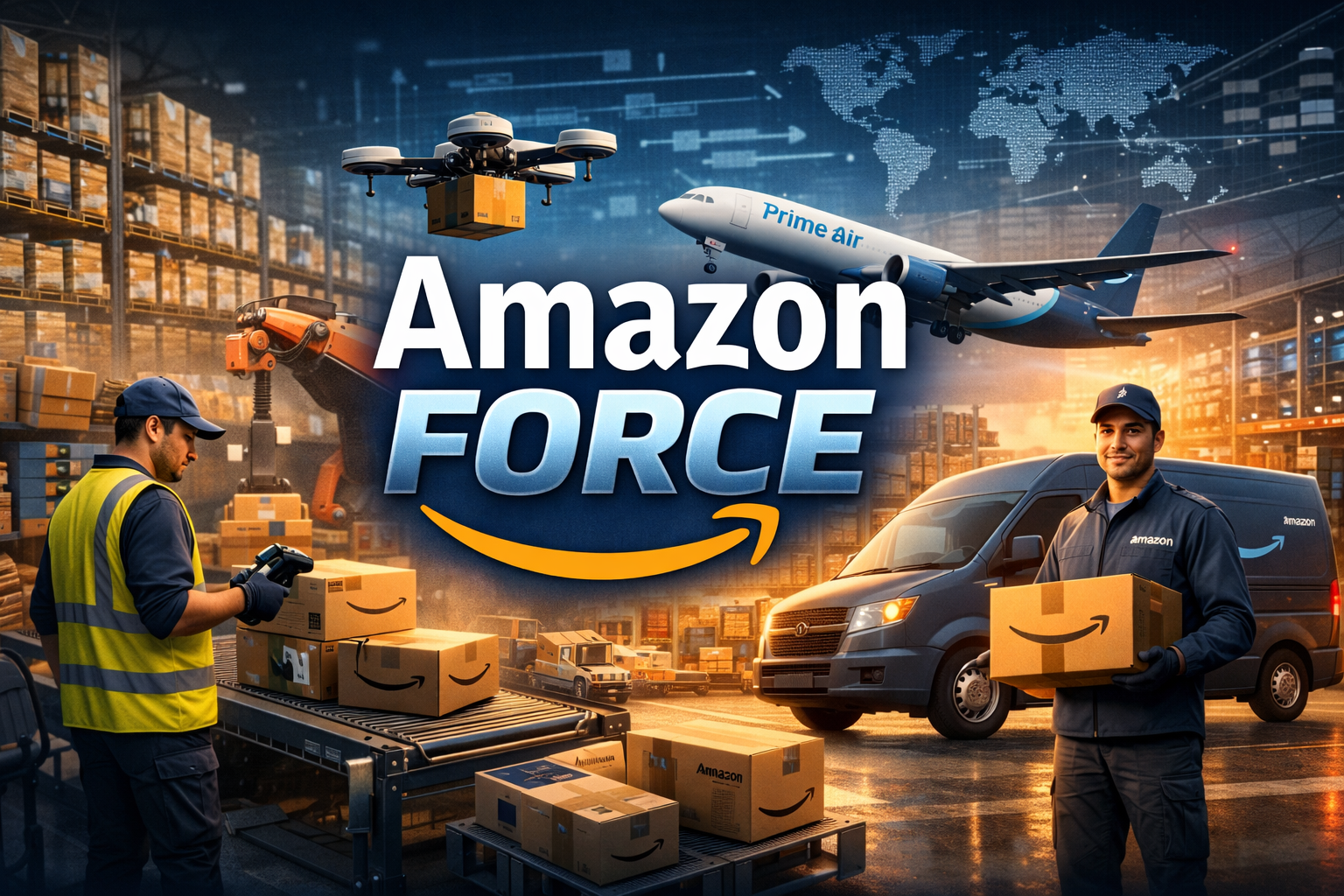
The modern digital economy relies heavily on large-scale logistics systems that can deliver products quickly and efficiently. One of the most powerful companies driving this transformation is Amazon. Behind its massive e-commerce operations lies a complex workforce infrastructure often referred to as Amazon Force.
The term Amazon Force generally refers to the hiring systems, workforce operations, and employee network that power Amazon’s fulfillment centers and logistics facilities. Although it is not always used as an official corporate name, the phrase is commonly associated with the recruitment platforms and staffing programs Amazon uses to hire thousands of warehouse employees each year.
Understanding Amazon Force provides insight into how Amazon manages large-scale hiring, maintains operational efficiency, and supports its global delivery network. From recruitment systems to warehouse roles, Amazon Force represents the human and technological infrastructure that helps the company fulfill millions of orders every day.
What Is Amazon Force?
Amazon Force refers to the system and workforce responsible for staffing Amazon’s operational facilities. These facilities include fulfillment centers, sorting centers, delivery stations, and other logistics hubs where customer orders are processed and shipped.
Amazon’s business model depends on speed and efficiency. In order to achieve fast delivery times, the company needs a massive workforce capable of handling inventory, preparing packages, and coordinating shipments. The systems and processes used to recruit and manage these employees are often referred to collectively as Amazon Force.
In many cases, the term is connected to the Amazon Force hiring platform, which is used for recruiting hourly workers for warehouse and logistics positions. Job applicants frequently encounter this platform when applying for roles such as warehouse associates or fulfillment center employees.
This workforce infrastructure helps Amazon maintain a consistent labor supply to support its rapidly expanding operations.
The Role of Amazon Force in Hiring and Recruitment
One of the most important aspects of Amazon Force is its role in large-scale recruitment. Amazon hires thousands of employees across different regions, especially during peak shopping seasons such as holidays or major sales events.
To manage this demand, Amazon uses digital hiring platforms and recruitment systems designed to streamline the hiring process. These systems allow applicants to search for job openings, submit applications, schedule interviews, and complete onboarding tasks online.
Through these recruitment tools, Amazon can quickly fill positions in warehouses and logistics facilities. The hiring process is designed to be efficient, allowing applicants to move from application to employment within a relatively short period of time.
This approach is particularly important for seasonal hiring when the company must rapidly expand its workforce to handle increased order volumes.
Amazon Force and Fulfillment Center Operations
Fulfillment centers are the backbone of Amazon’s logistics network, and the employees working in these facilities form a major part of what people describe as Amazon Force.
Inside these warehouses, workers perform a variety of tasks that help move products from inventory shelves to customers’ doorsteps. These responsibilities typically include receiving shipments from suppliers, storing inventory, picking items from shelves, packing orders, and preparing packages for delivery.
The work environment inside fulfillment centers is highly organized and often supported by advanced technology such as automated conveyor systems and robotics. Employees collaborate with these systems to improve speed and efficiency throughout the order fulfillment process.
Because millions of orders pass through these facilities each day, the workforce operating them plays a crucial role in ensuring customers receive their purchases quickly.
Types of Jobs Associated With Amazon Force
The term Amazon Force is often associated with hourly positions that support Amazon’s logistics network. These roles are essential for maintaining the company’s operational capacity.
Many employees work as warehouse associates responsible for handling inventory and preparing orders for shipment. Others work in sorting facilities where packages are organized based on delivery routes and destinations.
Delivery station employees prepare packages for final delivery, while some workers operate transportation equipment or assist with logistics coordination. In addition, Amazon employs supervisors, safety specialists, and operations managers who oversee daily activities in these facilities.
Each of these roles contributes to the broader workforce system that allows Amazon to maintain fast and reliable delivery services.
Technology Supporting the Amazon Force
While human workers are a critical part of Amazon’s logistics system, technology also plays a major role in supporting Amazon Force. The company has invested heavily in robotics, automation, and artificial intelligence to improve efficiency within its fulfillment centers.
Robotic systems can transport shelves filled with products across warehouse floors, reducing the time employees spend walking long distances to retrieve items. Automated scanning and sorting technologies help track packages and ensure they reach the correct destination.
Data analytics and machine learning algorithms also assist in predicting demand, optimizing inventory placement, and planning delivery routes. These technologies allow Amazon to operate its logistics network with remarkable precision.
By combining human labor with advanced technology, Amazon has created a highly efficient operational system capable of handling enormous order volumes.
Amazon Force and the Global Logistics Network
Amazon operates one of the most extensive logistics networks in the world. The workforce supporting this network—often referred to as Amazon Force—is spread across thousands of facilities globally.
These facilities include large fulfillment centers where products are stored and packaged, sorting hubs where shipments are organized, and delivery stations that handle last-mile logistics. In addition, Amazon has built its own transportation infrastructure including cargo aircraft, delivery vans, and regional distribution hubs.
The workforce operating within these facilities ensures that products move smoothly through each stage of the supply chain. Without this extensive workforce network, Amazon would not be able to maintain its fast shipping services such as same-day or next-day delivery.
As Amazon continues expanding internationally, the scale of this workforce infrastructure continues to grow.
Training and Workplace Structure
Employees within the Amazon Force workforce typically receive training to help them perform their roles safely and efficiently. New hires often participate in orientation sessions that introduce them to workplace procedures, safety guidelines, and technology systems used within fulfillment centers.
Training may include instruction on equipment usage, package handling techniques, and warehouse navigation systems. In many facilities, digital devices guide employees through tasks and provide real-time instructions for order fulfillment activities.
Supervisors and team leaders help coordinate workflow, ensuring that employees remain productive while maintaining safety standards. This structured environment allows Amazon to manage large teams of workers efficiently within busy warehouse settings.
Seasonal Workforce Expansion
Another important aspect of Amazon Force is its role in seasonal workforce expansion. During major shopping periods such as Black Friday, Cyber Monday, and the holiday season, Amazon experiences a significant increase in order volumes.
To handle this demand, the company temporarily hires thousands of additional workers across its logistics network. Seasonal employees often perform the same roles as permanent staff, helping with tasks such as packaging orders, organizing inventory, and preparing shipments.
These seasonal hiring programs demonstrate how flexible workforce systems allow Amazon to scale operations quickly during peak periods. Once demand decreases, many seasonal positions end, although some employees may be offered permanent roles depending on operational needs.
The Impact of Amazon Force on the E-Commerce Industry
The workforce systems associated with Amazon Force have had a significant impact on the global e-commerce industry. Amazon’s ability to manage massive hiring operations and maintain large logistics teams has helped set new standards for delivery speed and customer expectations.
Consumers now expect faster shipping times and greater product availability, largely due to the efficiency of Amazon’s logistics network. Competing retailers have had to improve their own supply chain systems in order to keep up with these expectations.
This transformation has reshaped retail operations around the world, highlighting the importance of strong workforce infrastructure in modern e-commerce.
Challenges and Public Discussion
Despite its success, the Amazon workforce system has also been the subject of public discussion and debate. Some critics have raised concerns about working conditions, productivity expectations, and labor practices in large fulfillment centers.
Labor organizations and policy makers in several countries have examined workplace standards within the logistics sector. These discussions often focus on balancing operational efficiency with employee well-being and safety.
Amazon has responded to these concerns by implementing various workplace initiatives, including safety programs, employee benefits, and investments in automation designed to reduce physically demanding tasks.
The conversation surrounding workforce practices continues to evolve as logistics operations grow increasingly complex.
The Future of Amazon Force
As Amazon continues expanding into new markets and technologies, the role of Amazon Force will likely evolve as well. Automation, robotics, and artificial intelligence are expected to play an increasingly important role in warehouse operations.
At the same time, human workers will remain essential for tasks requiring judgment, coordination, and problem-solving. The future of Amazon’s workforce will likely involve a greater integration between employees and intelligent machines.
Amazon is also investing in training programs and career development initiatives designed to help employees build new skills. These programs may allow workers to transition into technical roles or management positions within the company.
As technology and logistics systems advance, the workforce supporting these operations will continue adapting to meet new challenges.
Conclusion
The term Amazon Force represents the workforce systems and hiring infrastructure that support Amazon’s massive logistics operations. Through digital recruitment platforms, warehouse staffing programs, and advanced technology integration, Amazon has built one of the largest operational workforces in the world.
Employees working in fulfillment centers, sorting facilities, and delivery stations play a crucial role in ensuring that millions of orders reach customers quickly and efficiently. Their efforts, combined with automation and data-driven logistics systems, form the backbone of Amazon’s global supply chain.
Understanding Amazon Force provides valuable insight into how modern e-commerce companies manage large-scale workforce operations and maintain high levels of efficiency in a fast-moving digital marketplace.
Disclaimer
This article is intended for informational and educational purposes only. The term “Amazon Force” is commonly used in discussions related to Amazon’s hiring platforms and workforce systems but may not represent an official product or branded program of Amazon. All references to Amazon and its operations are based on publicly available information and general industry knowledge.













Post Comment