Air Force Academy Civilian Faculty Resignations
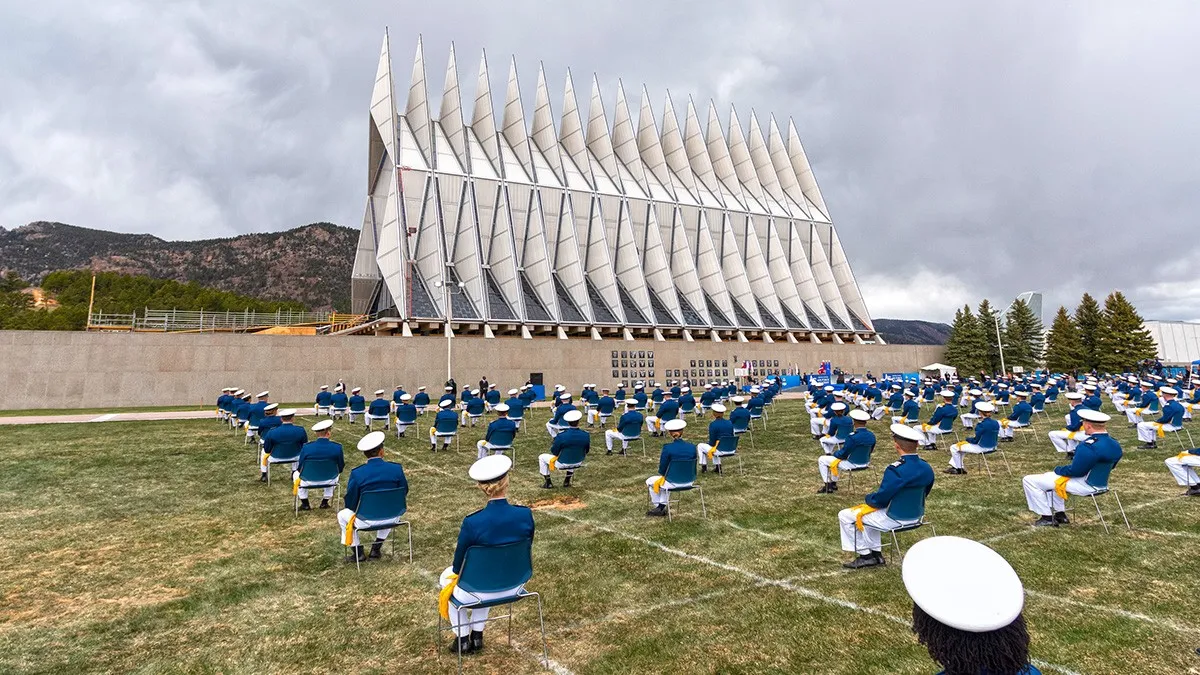
The Air Force Academy civilian faculty resignations have become a major point of controversy and concern in 2025. Reports from inside and outside the United States Air Force Academy in Colorado Springs reveal that dozens of civilian instructors have left the institution — many through voluntary resignation or early retirement programs — and that additional cuts may loom amid broader Department of Defense workforce reductions. The departures of trained civilian educators threaten both the Academy’s academic rigor and its long‑standing tradition of blending military and civilian expertise to educate future Air Force and Space Force leaders.
This article explores why these resignations are happening, the reaction from faculty and lawmakers, the Academy’s official response, and what these changes mean for cadets, accreditation, and the future role of civilian educators in one of America’s most prestigious institutions.
What Has Happened at the Air Force Academy?
In 2025, the Air Force Academy initiated a significant reduction in its civilian workforce as part of a Department of Defense‑wide effort to cut civilian jobs. According to Academy leadership, approximately 140 civilian positions were identifie for elimination, including more than 50 faculty and administrative posts that had already become vacant.
Sources report that over 50 civilian instructors have resigned or retired through voluntary programs — such as the DoD’s Deferred Resignation Program (DRP) and early retirement incentives — with others expected to depart or see their positions eliminated by the end of the fiscal year.
Not all of these departures were voluntary. Some faculty members have described the process as abrupt or stressful, with unclear job security and communication about long-term commitments. One recently departed professor expressed disillusionment after giving up a secure tenured position elsewhere to teach at USAFA, only to face uncertainty and eventual resignation.
Why Are Civilian Faculty Leaving and Why Now?
There is no single answer to the wave of resignations, but several factors contribute:
Department of Defense Workforce Reductions
The Department of Defense has been implementing broad civilian workforce cuts across the federal government. The Academy is not immune; civilian faculty slots were specifically target for elimination as part of these reductions. USAFA leadership report that nearly 10 percent of its roughly 1,500 civilian jobs were slated for elimination in 2025.
Deferred Resignation and Early Retirement Programs
Programs like the Deferred Resignation Program and early retirement incentives encouraged many civilian faculty members to leave proactively. Once they depart through such programs, many positions are simply not backfill which contributes to the net reduction in the civilian workforce.
Job Security and Communication Concerns
Some civilian faculty have conveyed that a lack of clarity about their job security influenced their decision to resign. In at least one case, a professor said that messages from leadership and threats of potential termination made the workplace environment stressful and untenable, even though formal performance critiques were positive.
Lack of Tenure and Long‑Term Contract Stability
Unlike other service academies or universities, the Air Force Academy does not grant academic tenure to civilian faculty members. Instead, appointments must be renewed periodically, and there is limited job security for long‑term academic careers. This system can make civilian faculty roles less attractive compared to tenure-track or tenured positions at civilian institutions.
Official Statements and Responses
Academy leadership has publicly stated that, despite the civilian workforce reduction, they remain dedicated to maintaining academic excellence and the core mission of educating future Air Force and Space Force leaders. The USAFA superintendent emphasized the continue importance of the civilian workforce while also noting that some positions will be eliminated or transitioned.
School officials have attempt to reassure stakeholders that majors and academic programs will remain intact and that accreditation will not be jeopardized, even with fewer civilian educators.
New military faculty members including active duty and reserve officers with advance degrees are being brought into academic roles to fill gaps left by departing civilian professors. However, some critics argue that finding personnel with the appropriate credentials and teaching experience has proved challenging.
Academic Impact and Accreditation Concerns
One of the most widely discussed implications of the civilian faculty resignations is the potential impact on academic programs and accreditation.
Civilian faculty historically bring deep academic expertise, research experience, and continuity to educational programs. With their departure and fewer replacements particularly those with PhDs some observers fear that the Academy’s ability to maintain high academic standards could be compromis.
A formal complaint was file with a national accrediting agency. Which has given the Academy a deadline to respond to concerns about the faculty cuts — a sign that the issue has broader implications beyond staffing numbers.
Reaction From Faculty, Cadets, and Lawmakers
Faculty and Staff
Several civilian and military faculty members have spoken out, either publicly or anonymously, about the effects of the reductions. Concerns include increased workload for remaining staff, loss of specialized knowledge, and the potential dilution of academic offerings.
One retired or departing faculty member described feeling “betrayed” after committing to long-term service at USAFA, only to face instability and eventual resignation.
Students and Cadets
Cadets themselves are affece by changes in faculty. Many have expressed concern — particularly in online forums about the academic environment and the potential loss of mentors who previously guided research, studies, and career planning.
Although official statements reassure cadets that education quality will be maintained, uncertainty about long-term staffing plans has created unease.
Lawmakers and Advocates
Colorado Republican U.S. Rep. Jeff Crank has publicly questioned Academy leadership about staffing plans following the resignations, underscoring the political attention the issue has attracted at both local and national levels.
Broader Context: Civilian Faculty in Military Academies
The situation at the Air Force Academy is not entirely unique to that institution. Civilian faculty play important roles at all U.S. service academies — including the Naval Academy and West Point — contributing to a balanced education that blends military leadership training with academic rigor.
However, the trend of reducing civilian educators in favor of more uniformed personnel has raised questions about institutional missions. Critics argue that a heavy reliance on military faculty for academic instruction may limit diversity of thought and long-term research continuity.
Academic freedoms at service academies have also been debated in recent years, with articles highlighting tensions around curriculum content and the role of academic inquiry in military education.
Potential Long-Term Effects
The ongoing civilian faculty resignations at the Air Force Academy could have several long-term effects:
Academic Quality and Program Breadth
With fewer faculty members, departments may struggle to offer a full suite of majors or advanced courses. If key civilian experts depart, the Academy might face limitations in specialized subjects like systems engineering or humanities.
Accreditations and Institutional Standards
Accreditation bodies closely review faculty qualifications and educational outcomes. Reductions in faculty with doctoral credentials could raise concerns about maintaining rigorous standards in certain disciplines.
Recruitment and Retention Challenges
A pattern of instability could make it harder for the Academy to recruit top civilian scholars — particularly if prospects perceive limited job security or academic autonomy.
Impact on Military-Civilian Partnerships
Civilian faculty often bring research collaborations, industry connections, and academic networks that enrich military education. Reducing these ties might limit opportunities for collaborative research and broader academic engagement.
What Comes Next?
As of late 2025, the Academy continues to navigate the challenge of balancing workforce reductions with educational responsibilities. Leadership insists that accreditation and academic integrity are priorities, and incoming officers are being trained to assume teaching roles.
Future developments could include:
- New hiring strategies to attract qualified military and civilian instructors
- Curriculum adjustments to align with available faculty expertise
- Political or legal challenges if accreditation or academic freedoms become further jeopardized
- Ongoing public scrutiny as stakeholders monitor outcomes
Conclusion
The Air Force Academy civilian faculty resignations represent a complex and evolving issue with significant ramifications for military education in the United States. What began as part of a broader Department of Defense workforce reshaping has quickly become a matter of academic concern, political debate, and institutional identity.
As the Academy adapts to reduced civilian staffing — and attempts to fill gaps with military educators — questions remain about the long-term effects on accreditation, academic rigor, and the mission of shaping future Air Force and Space Force leaders. What unfolds will likely influence not just the Air Force Academy, but broader discussions about the role of civilian educators in national defense education.












Post Comment