Design Lessons Modern Architects Can Learn From Ancient Rome
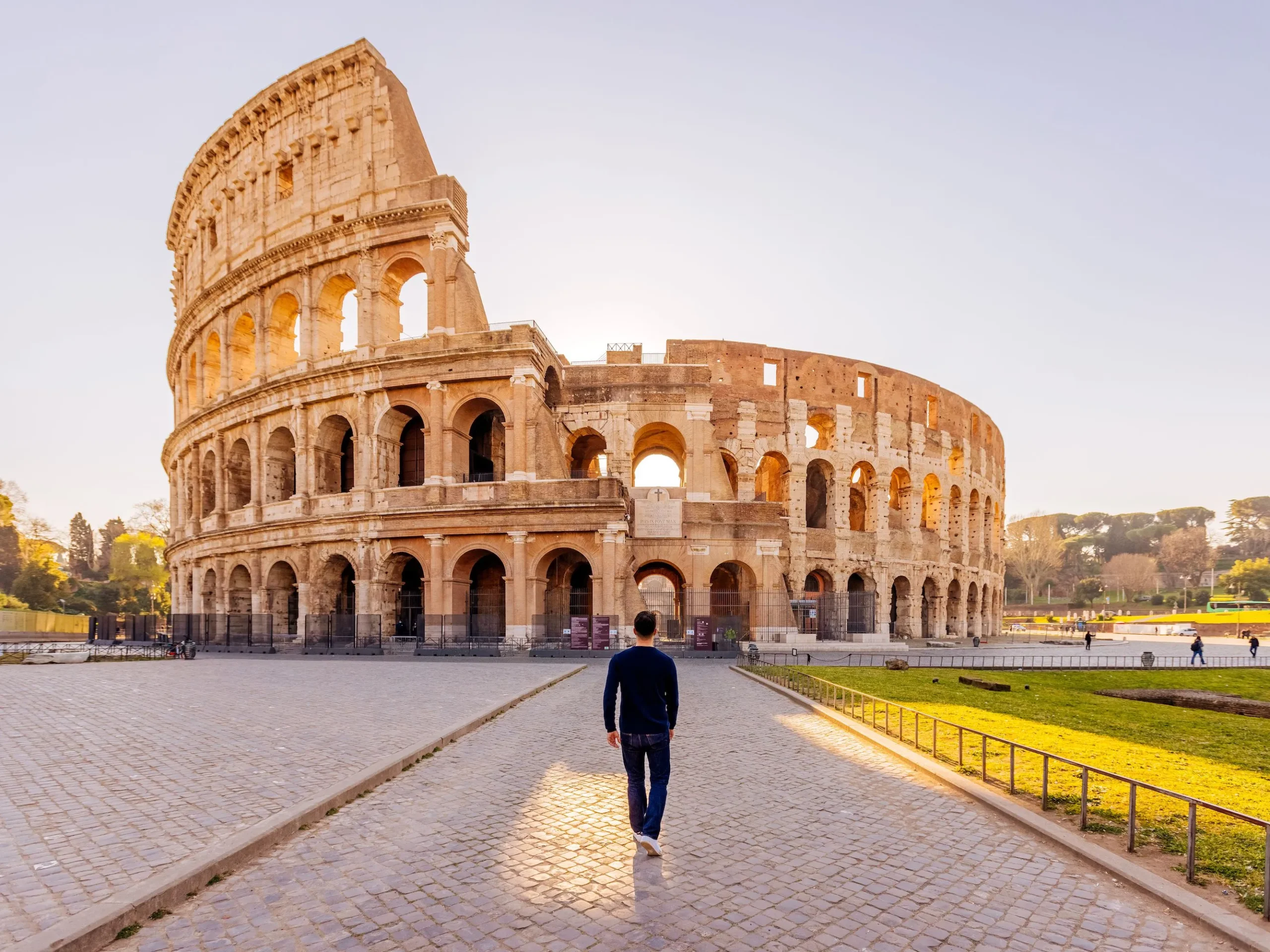
Understanding Roman Architectural Ingenuity
Roman architecture is synonymous with grandeur and innovation. The ancient Romans were not only masters in creating iconic structures but also in integrating functionality with aesthetics. Their extensive use of arches, domes, and columns continues to inspire modern architects worldwide. Notably, ancient Roman floor heating methods stand as an early example of their technical prowess. These methods not only reflect their expertise but also their understanding of comfort and efficiency.
The Romans’ ability to blend form and function is evident in many of their surviving structures. They meticulously planned and executed designs that addressed practical needs in beautiful ways. The Pantheon, with its massive dome and oculus, is a prime example of how they achieved both elegance and utility in one structure. This combination of design principles provides a timeless blueprint for contemporary architects aiming to construct buildings that are both durable and visually striking.
Focusing on material innovation, the Romans were pioneers in concrete technology. Their formula, which included volcanic ash, allowed them to build enduring structures that could withstand the elements. Modern architects can learn from this resourceful use of materials, opting for sustainable and robust construction techniques that meet today’s ecological and economic requirements.
Spreading Comfort with Ingenious Heating Techniques
One of the lesser-known yet impactful Roman innovations is their development of the hypocaust system, a form of central heating. The hypocaust was a sophisticated design comprising raised floors with spaces where hot air could circulate. This method was primarily employed in the Roman baths and wealthy private homes, showcasing their commitment to comfort and luxury.
Today’s architects can draw lessons from this innovative approach to climate control. While modern heating systems have evolved, the core principle of efficiently using heat remains pertinent. In times of increasing energy awareness, architects are challenged to design buildings optimized for energy consumption. Passive solar design and advanced insulation techniques reflect a modern parallel to the Roman hypocaust in terms of efficiency and environmental consciousness.
Furthermore, incorporating such historical insights can lead to eco-friendly designs that enhance comfort without excessive reliance on energy. Understanding and adapting these ancient principles can forge a connection between historical wisdom and contemporary scientific advancements, paving the way for sustainable architecture.
The Importance of Urban Planning and Infrastructure
The Romans excelled at urban planning, creating cities that facilitated trade, governance, and social activities. Well-organized road networks, aqueducts, and public spaces were intrinsic to Roman cities, accentuating their approach to community-focused design. Efficient infrastructure remains crucial in today’s rapidly urbanizing world.
Integrating historical urban planning concepts into modern cities involves designing for scalability, accessibility, and sustainability. The integration of green spaces and transportation hubs echoes the Roman focus on making cities livable and functional. This user-centric approach ensures infrastructure supports growth while maintaining quality of life for its inhabitants.
Modern urban planners and architects can emulate Roman techniques by employing strategic foresight and planning for multifunctional spaces. Emphasizing long-term benefits over immediate gains aligns with sustainable development goals, helping future-proof urban environments for generations to come.
Related article: Business and Home Organization with Bulk Wire Hangers
Incorporating Water Management Systems
Romans were trailblazers in the field of water management, ingeniously constructing aqueducts to deliver fresh water to cities. Their ability to manage natural resources effectively is another lesson modern architects can leverage, particularly amidst rising concerns about water scarcity and sustainability.
In contemporary architecture, efficient water management encompasses harvesting rainwater, recycling greywater, and minimizing usage. Incorporating these systems can greatly reduce a building’s environmental footprint. By drawing inspiration from Roman aqueducts, architects can design integrated water flows that focus on conservation and resourcefulness.
Moreover, reclaiming rainwater and deploying advanced irrigation systems can sustain landscapes and green roofs. These methods not only contribute to water conservation but also to urban cooling, aligning with global objectives of reducing urban heat. By mirroring Roman engineering feats, architects can achieve a balance between human needs and environmental stewardship.
Sustainability and Use of Local Materials
The Romans were adept at using local materials to reduce transportation costs and environmental impact. This approach resonates strongly with current sustainability practices, which encourage minimizing carbon footprints and supporting local economies.
Modern architecture can benefit from this by promoting regional materials that are not only sustainable but reflective of cultural heritage. Utilizing local craftsmen and materials fosters community engagement and ensures that buildings are in harmony with their natural surroundings.
By considering the life cycle of materials, from extraction to disposal, architects can create structures that elevate both aesthetic appeal and environmental responsibility. Embracing this method encourages innovation in finding novel materials and techniques that enhance sustainability without compromising on design integrity.
Public Spaces and Community Engagement
Romans understood the essence of communal life and designed their cities around public spaces such as forums, theaters, and baths. These areas were not only leisure hubs but also facilitated social interaction and civic engagement.
In today’s context, creating vibrant public spaces is integral to fostering community spirit and inclusivity. Architects can draw from Roman principles by designing flexible, multipurpose areas that adapt to communal needs over time. Such spaces can host events, encourage socialization, and become landmarks of civic pride.
Urban environments that prioritize public space facilitate cultural exchange and individual well-being. In an era where digital connectivity can sometimes replace physical interaction, the role of well-designed public areas becomes increasingly important. Emulating Roman public structures, modern architecture can nurture community ties, promoting a healthy, engaged society.
Timeless Aesthetic Appeal
Roman architecture’s enduring beauty lies in its classic proportions and attention to detail. The symmetrical layouts and decorative elements like frescoes and mosaics contribute to their timeless charm. Architects today continue to draw from these principles, creating designs that transcend fleeting trends.
Focusing on timeless aesthetics involves employing simplicity, balance, and harmony in design. These elements ensure that buildings maintain their appeal regardless of changing architectural fads. Combining modern technologies with classical aesthetics can result in structures that are both innovative and enduring.
Considering cultural contexts and historical influences can guide architects in creating buildings that resonate across different societies. By marrying the past’s grandeur with today’s cutting-edge technology, architects can produce designs that inspire awe and appreciation across generations.
Frequently Asked Questions
What materials did Romans use in their architecture?
The Romans primarily used materials such as stone, concrete, and brick in their construction. They innovated by developing their own formula for concrete, using volcanic ash which made their structures durable and resilient to time.
How did Roman architecture influence modern design?
Roman architecture has significantly influenced modern design through its engineering innovations and emphasis on symmetry, form, and functionality. Modern architects adopt Roman concepts like arches and vaults, alongside their pioneering heating and water systems.
Can Roman architectural principles be applied to sustainable design?
Yes, Roman architectural principles such as the use of local materials and efficient urban planning can inform sustainable design practices. These principles help modern architects to create buildings that are both environmentally friendly and culturally resonant.
Why is Roman architecture still significant today?
Roman architecture remains significant due to its innovative techniques and timeless designs, which continue to influence contemporary architecture. It provides valuable lessons in blending aesthetics with technical functionality, which is crucial in today’s architectural landscape.
What is a hypocaust system, and how was it used?
A hypocaust system was an ancient Roman method of central heating. It worked by circulating hot air through spaces under the floors and within walls of buildings, especially in baths and homes, showcasing advanced understanding of climate control.
Conclusion
Ancient Roman architectural achievements continue to provide invaluable lessons for modern-day architects. From their innovative use of materials to their urban planning and infrastructure developments, Romans set a precedent for functional and sustainable design. By understanding their approach, current architects can create more efficient and elegant structures that meet today’s challenges.
Incorporating Roman insights into contemporary architecture fosters a renewed appreciation for historical techniques while addressing modern needs. As we strive for sustainability and resilience in design, the enduring legacy of Roman architecture offers both inspiration and practical strategies to adopt in our built environments.







Post Comment