Loggiano: Exploring the Meaning Heritage and Modern Significance
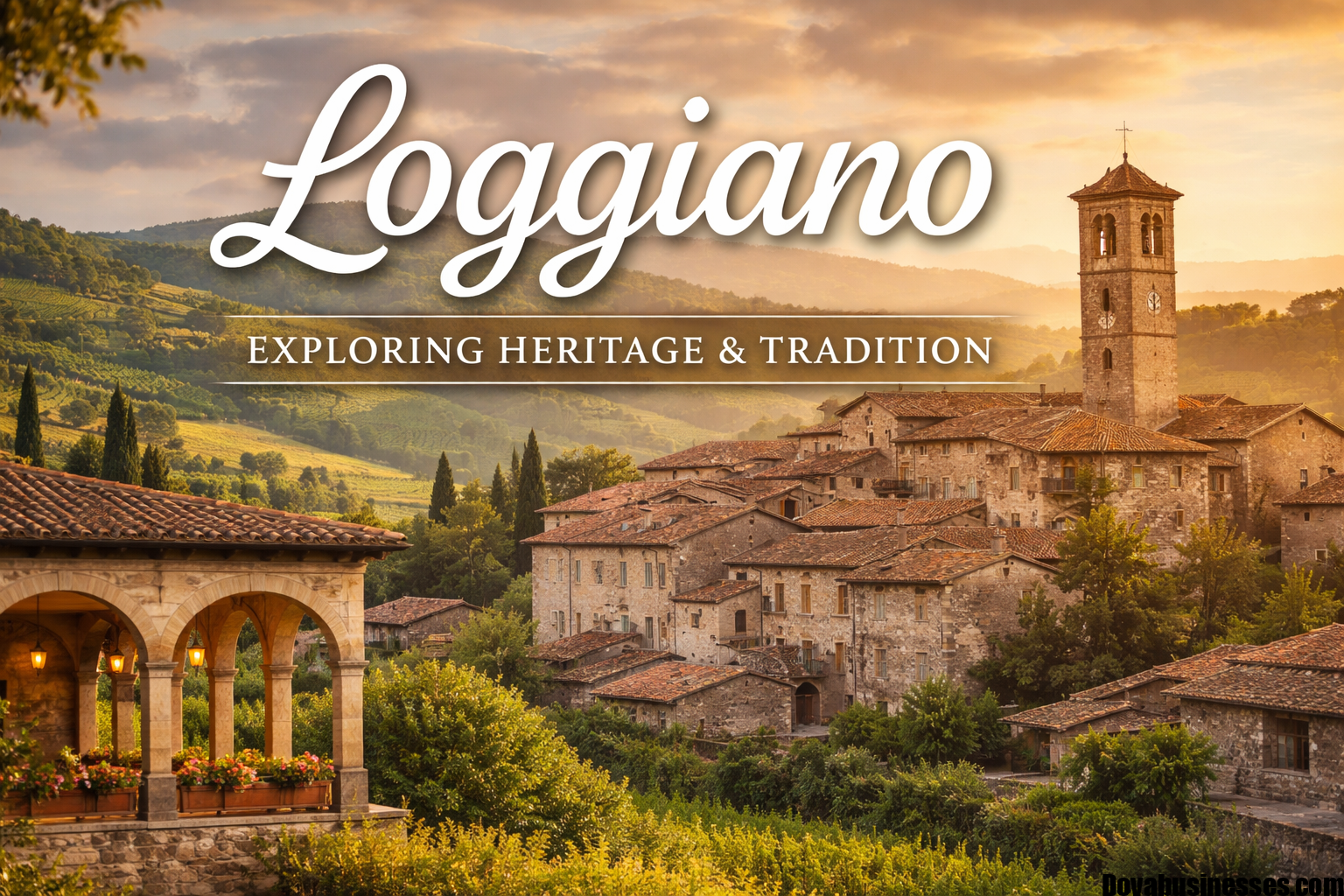
The word Loggiano carries a distinctive character that immediately evokes the charm of Italian heritage and traditional European landscapes. While it may not appear in major global travel guides or well-known historical atlases, Loggiano represents something deeper than a simple place name. It reflects a blend of architecture, cultural tradition, rural identity, and the timeless rhythm of community life that has defined many Italian towns for centuries.
In an age dominated by fast cities and digital lifestyles, concepts like Loggiano remind us of the value of tradition and continuity. Whether interpreted as a small settlement, a heritage-inspired location, or a symbolic representation of Italian rural culture, Loggiano captures the essence of authenticity. From stone pathways and classical architecture to family gatherings and agricultural traditions, the spirit of Loggiano embodies a slower, more connected way of living.
Understanding Loggiano requires looking beyond a single definition. Instead, it is best explored through its linguistic origins, architectural symbolism, cultural heritage, and its evolving relevance in a modern global society.
The Meaning and Linguistic Roots of Loggiano
The name Loggiano appears to follow a traditional Italian linguistic structure. Many Italian place names end with the suffix “-ano,” which historically indicates a connection to a particular family, geographic area, or estate. This naming pattern dates back to Roman and medieval land ownership traditions, where territories were often identified by the families or features associated with them.
The root of Loggiano is closely connected to the Italian word “loggia.” A loggia refers to an architectural feature that is open on one side and supported by columns or arches. These structures are common in Italian Renaissance and medieval architecture and were often used as covered outdoor spaces where people could gather, trade goods, or enjoy the surrounding landscape.
When these linguistic elements combine, the name Loggiano can be interpreted in several ways. It may describe a location characterized by loggia-style architecture, land historically associated with a family named Loggia, or a settlement where these architectural elements played an important role in shaping the identity of the community.
Although the exact historical origin of the name may vary, its structure clearly reflects Italy’s deep architectural and cultural heritage.
Historical Background of Loggiano
Many Italian towns developed during the medieval period, when settlements formed around castles, monasteries, trade routes, or agricultural estates. If Loggiano originated during this time, its early development would likely have been influenced by the same forces that shaped countless villages across the Italian peninsula.
During the Middle Ages, communities were closely tied to the land. Agriculture was the foundation of local economies, and towns often grew organically around fertile regions where farming could support families and trade networks. Narrow streets, stone houses, and central squares became defining features of these settlements.
Churches and monasteries also played an important role in shaping medieval communities. They served not only as places of worship but also as centers of education, governance, and social life. If Loggiano developed in a similar historical context, religious institutions would likely have influenced the layout and cultural traditions of the town.
Over time, these small settlements evolved into stable communities where generations of families lived and worked, creating a strong sense of identity tied to the land.
Architectural Identity of Loggiano
Architecture is one of the most visible reflections of cultural heritage in Italy. If Loggiano follows the architectural traditions suggested by its name, it would likely include structures influenced by classical and Renaissance design.
The loggia itself is a central architectural element that helps define the identity of places connected to the term Loggiano. Loggias were widely used in public buildings, palaces, and marketplaces throughout Italian history. They provided sheltered outdoor spaces where people could gather while remaining protected from sun and rain.
These structures often feature elegant arches, columns, and open corridors that connect indoor and outdoor environments. In many historic towns, loggias served as civic spaces where merchants conducted business, citizens met for discussions, and travelers found rest.
Beyond public buildings, traditional Italian towns are known for their distinctive residential architecture. Stone houses, terracotta roof tiles, wooden shutters, and cobblestone streets create a timeless visual atmosphere. These features not only reflect aesthetic preferences but also practical adaptations to climate and available building materials.
In a place like Loggiano, architecture would not simply define physical space; it would help shape the social and cultural life of the community.
Cultural Traditions and Community Life
One of the most important aspects of towns like Loggiano is the strong sense of community that develops over generations. Small Italian communities are known for maintaining traditions that bring residents together and reinforce shared identity.
Daily life in such towns often revolves around familiar routines. Local markets provide fresh produce and handmade goods, while town squares become gathering places where neighbors exchange news and celebrate events. Religious festivals, seasonal celebrations, and cultural gatherings add rhythm to the calendar and create moments of collective joy.
Family also plays a central role in community life. Multi-generational households are common in many rural Italian regions, and traditions are passed down through storytelling, shared meals, and community celebrations. Sunday lunches, for example, remain a deeply valued tradition in which extended families gather around large tables to enjoy regional dishes and reconnect with one another.
These customs create a sense of continuity that links the past with the present.
Culinary Heritage of Loggiano
Food is one of the most powerful expressions of cultural identity in Italy. Communities like Loggiano often develop unique culinary traditions based on the agricultural resources available in the surrounding region.
Local cuisine typically emphasizes fresh, simple ingredients prepared with care and tradition. Handmade pasta, locally produced olive oil, regional wines, and artisan cheeses are common elements of rural Italian cooking. Seasonal vegetables and herbs also play an important role, reflecting the close relationship between the land and the kitchen.
In these communities, recipes are often preserved through family traditions rather than written records. Grandparents teach younger generations how to prepare dishes that have been part of local culture for centuries.
Food therefore becomes more than nourishment; it becomes a living connection to heritage and identity.
Agriculture and the Rural Economy
Agriculture has long been the backbone of many Italian rural communities. If Loggiano is located in a fertile region, farming would likely play a central role in the local economy and way of life.
Vineyards, olive groves, grain fields, and fruit orchards are common features of the Italian countryside. Farmers often rely on traditional methods passed down through generations while also adopting modern techniques that improve sustainability and productivity.
Agricultural products from rural towns frequently gain regional recognition for their quality and authenticity. Olive oil, wine, cheese, and specialty grains produced in small communities are often valued for their unique flavors and traditional production methods.
As global interest in sustainable and locally sourced food grows, agricultural communities like Loggiano may find new opportunities to share their products with wider markets.
Tourism and Cultural Heritage
In recent years, travelers have increasingly sought authentic experiences rather than crowded tourist destinations. Small towns with preserved cultural traditions and scenic landscapes offer visitors a deeper connection to local life.
Loggiano could appeal to travelers interested in exploring historic architecture, tasting regional cuisine, and experiencing the peaceful rhythm of rural living. Unlike large cities where tourism often moves quickly from one attraction to another, small communities encourage visitors to slow down and appreciate everyday life.
This approach aligns closely with the slow travel movement, which emphasizes meaningful cultural interaction and environmental awareness. Travelers spend more time in one place, supporting local businesses and forming genuine connections with residents.
For towns like Loggiano, cultural tourism can provide economic opportunities while also encouraging the preservation of traditions and historic structures.
Modern Challenges and Adaptation
Despite their cultural richness, small towns often face modern challenges. Population decline is a common issue as younger generations move to larger cities in search of education and employment opportunities. Aging populations and limited infrastructure can also affect economic development.
However, many communities are adapting by embracing new opportunities. Digital connectivity allows remote work and online businesses to flourish even in rural environments. Boutique agriculture, cultural tourism, and heritage marketing also help small towns maintain relevance in a globalized economy.
By combining tradition with innovation, communities like Loggiano can create sustainable futures that preserve their identity while embracing modern possibilities.
The Symbolic Meaning of Loggiano
Beyond its possible geographic interpretation, Loggiano can also represent a broader cultural idea. It symbolizes the balance between tradition and change, between community heritage and modern development.
In a world where many cities grow rapidly and lifestyles become increasingly fast-paced, places like Loggiano remind us of the importance of connection, simplicity, and cultural continuity. The architecture, traditions, and agricultural landscapes associated with Loggiano represent values that remain meaningful even in the modern age.
This symbolic dimension makes the concept of Loggiano more than a location. It becomes a representation of timeless cultural identity.
The Future of Loggiano
Looking ahead, the future of places like Loggiano will depend on thoughtful adaptation. Preserving historic architecture, supporting local agriculture, and encouraging sustainable tourism can help maintain the character that makes such communities unique.
Technology may also play an important role. Improved digital infrastructure allows rural areas to participate more fully in global economic networks while maintaining their traditional lifestyles.
Education, cultural programs, and community initiatives can help younger generations appreciate the value of their heritage while developing new skills that support long-term growth.
If these efforts succeed, Loggiano will continue to represent the enduring strength of community and tradition.
Conclusion
Loggiano stands as a powerful reflection of Italian cultural heritage and rural identity. Whether viewed as a historic settlement, an architectural concept, or a symbolic representation of traditional community life, it embodies values that have shaped generations of people.
From its linguistic roots connected to the elegant loggia structures of Renaissance architecture to its association with agriculture, cuisine, and family traditions, Loggiano reflects a way of life grounded in authenticity. Its charm lies not in grand monuments or global fame but in everyday experiences that connect people to place and history.
In a rapidly changing world, the story of Loggiano highlights the importance of preserving cultural heritage while embracing thoughtful progress. Through community resilience, sustainable practices, and respect for tradition, the spirit of Loggiano continues to inspire a vision of balanced and meaningful living.










Post Comment