How TIDEACEBIKE Builds Lightweight Carbon Road Frames for Competitive Racing
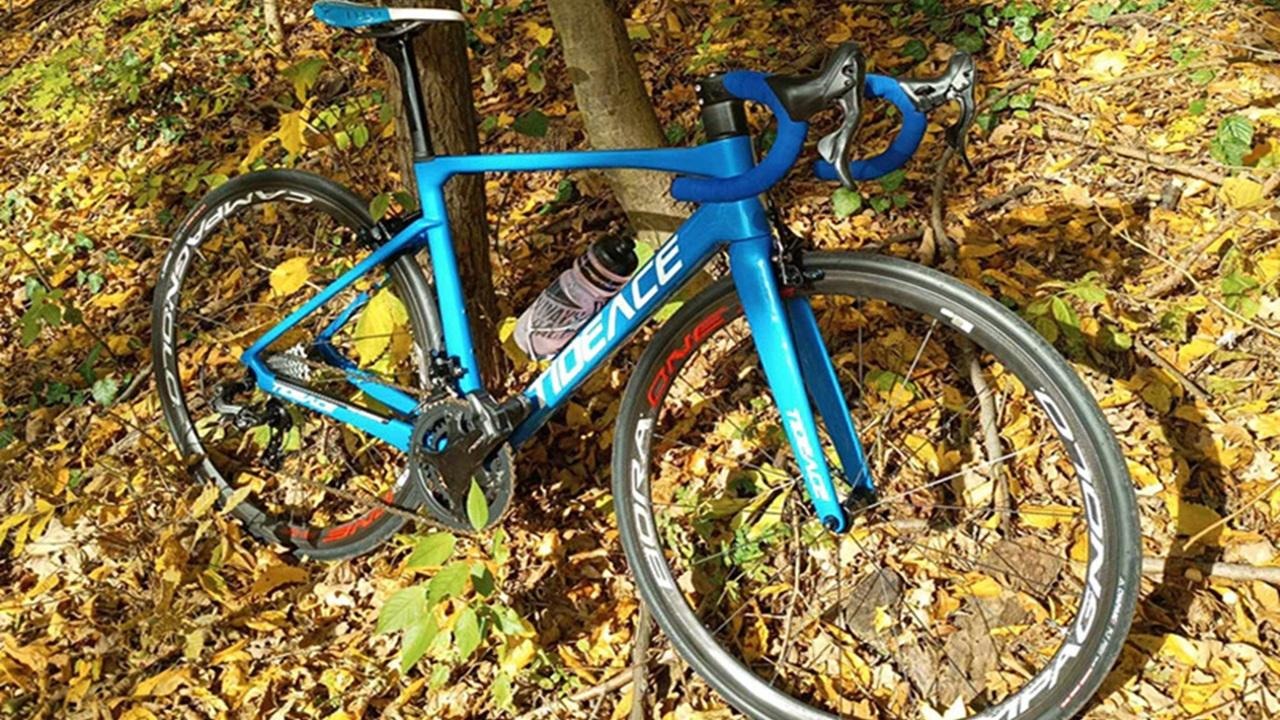
The type of bike frame required in competitive road racing is very much dependent on balancing the low weight and the stability of the bike. The reason behind the popularity of carbon road frames is that they carry speed without any extra bulk. TIDEACEBIKE builds the Best lightweight carbon road bike frames for racing using careful material choices and tested design methods. These frames aim to support racing needs without ignoring comfort or long ride stability. This article explains how lightweight carbon road frames are built for competitive racing.
Carbon Fiber Selection and Purpose
Road frames are made using carbon fiber since such material has both strength and is not too heavy. TIDEACEBIKE is built with Toray carbon fiber, which includes T800 and T1000. These fibers are characterized as dealing with recurrent stresses during the racing conditions. The powerful fibers enable the frames to be stable, but they are also less heavy than metallic ones. The balance enables the riders to keep speed in the long road races.
Frame Layup and Weight Control
Frame layup refers to how carbon layers are placed inside the mold. Different layer directions help manage the force from pedaling and road vibration. Careful layup reduces extra material where strength is not needed. Less extra material helps keep the overall frame weight lower. Weight control supports quicker climbs and smoother acceleration during races.
Geometry Designed for Road Racing
Road racing frames use geometry that supports speed and steady handling. Short chainstays help improve power transfer from pedaling efforts. A balanced head tube angle supports precise steering at higher speeds. Longer top tubes help riders maintain efficient riding positions. This geometry helps riders stay stable during fast cornering sections.
Stiffness for Power Transfer
Stiffness plays a key role in competitive road racing performance. A stiff bottom bracket area reduces energy loss during strong pedaling. Carbon layers are reinforced in high-stress zones of the frame. Better stiffness helps more pedaling force reach the rear wheel. This improves acceleration during sprints and uphill efforts.
Comfort During Long Races
Lightweight frames must also consider comfort during long race distances. Carbon fiber naturally reduces small road vibrations felt by riders. Proper layup allows slight flex in specific frame areas. This controlled flex helps reduce fatigue over extended riding time. Comfort supports better focus and consistency throughout long competitions.
Aerodynamics and Tube Shapes
Road racing frames use tube shapes designed to reduce air resistance. Smooth tube profiles help air flow cleanly around the frame. Carbon molding allows more refined shapes than traditional metal frames. Reduced drag supports higher speeds with less effort. Aerodynamic design becomes more important during flat and windy race stages.
Testing and Quality Control
Frame testing helps ensure safety and reliability under racing stress. Impact tests check frame strength against sudden force conditions. Fatigue testing simulates long-term use over many riding hours. These tests help confirm frame durability before reaching riders. Consistent testing supports trust in frame performance during races.
Internal Cable Routing Benefits
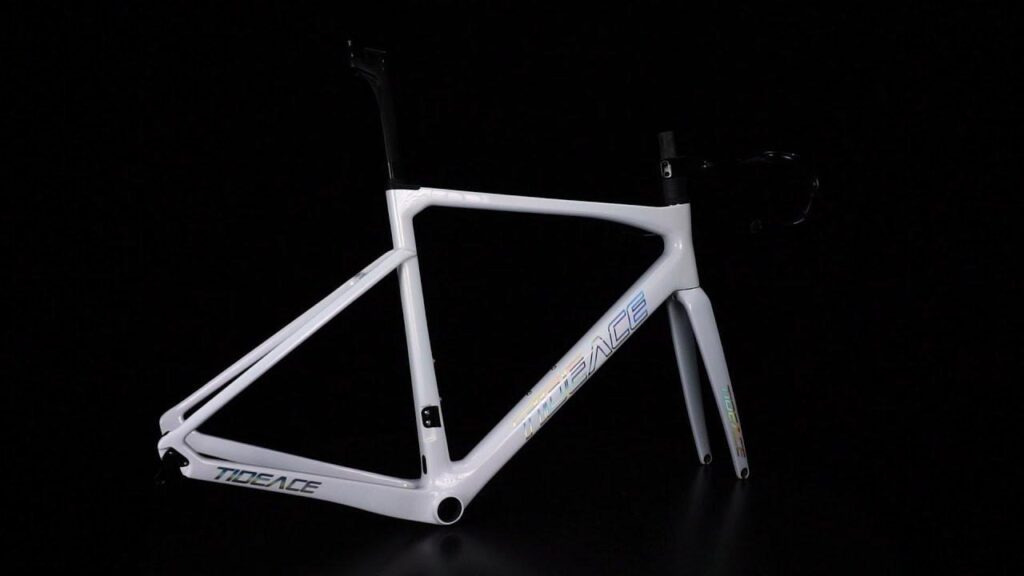
Internal cable routing places cables inside the frame structure. This design protects cables from dirt and weather exposure. Hidden cables also reduce minor air resistance on the bike. Cleaner routing helps maintain smooth braking and shifting performance. Reliable cable function supports control during competitive riding situations.
Compatibility with Modern Components
Road frames must work with current racing components and standards. These frames support electronic and mechanical shifting systems. Standard axle spacing ensures wheel compatibility across many racing setups. Disc brake support allows strong and consistent stopping power. Compatibility helps riders choose parts based on personal racing preferences.
Weight Balance and Frame Durability
Lightweight frames still need enough strength to handle racing demands. Carbon layering balances weight reduction with impact resistance needs. Frames are designed to manage stress from sprinting and rough roads. Balanced weight helps maintain control without sacrificing durability. Durability remains important even for lightweight racing equipment.
Frame Size Options and Rider Fit
The road racing frames are made in various sizes to fit the various body sizes of riders. Proper sizing helps the riders to have balance and a good pedaling posture. The correct fit will reduce the tension on the back, shoulders and legs during the races. A frame of proper size will facilitate good balance when climbing as well as quick ascending. Fit is a plus as it enhances comfort and control during road competition.
Manufacturing Precision and Consistency
The carbon frames need to be molded with precision so that all the frames produced are of quality. Controlled temperature and pressure help carbon layers bond correctly during curing. Accurate molds ensure alignment of frame parts remains within strict limits. Consistent production reduces weak points that may affect long-term frame use. Trustworthy production enables reliable performance in high-stress racing scenarios.
Maintenance and Longevity of Carbon Frames
Regular maintenance will ensure the carbon frames perform optimally with time and during racing. Cleaning out the dirt will prevent wear or scratches on the frame surface. Inspection of bolts and parts will ensure that it does not loosen during the long rides or intense racing. When the problems are identified at an early stage, it becomes easy to repair them in a minor manner. The maintenance keeps the frames safe, sound, and competent in several seasons.
Tire Clearance and Versatility
The frame design should ensure that there is clearance of tires to various road surfaces and conditions. A greater tire fit is capable of enhancing ride and traction in changing conditions. Proper clearance prevents rubbing, which may destroy tires or slow down the rider. Multipurpose frames are able to support smooth asphalt roads as well as rough roads. Tire elasticity helps to maintain uniformity of performance in a range of competitive races on the road.
Conclusion
TIDEACEBIKE builds lightweight carbon road frames through careful material use and tested construction methods. Carbon fiber selection supports strength while keeping overall weight controlled. Thoughtful geometry improves handling, speed, and power transfer during races. Comfort features help reduce fatigue during longer competitive events. Testing and compatibility ensure frames meet modern racing requirements. Together, these elements support reliable performance for competitive road racing conditions.






Post Comment