Messeregge: Uses and Modern Farming Relevance
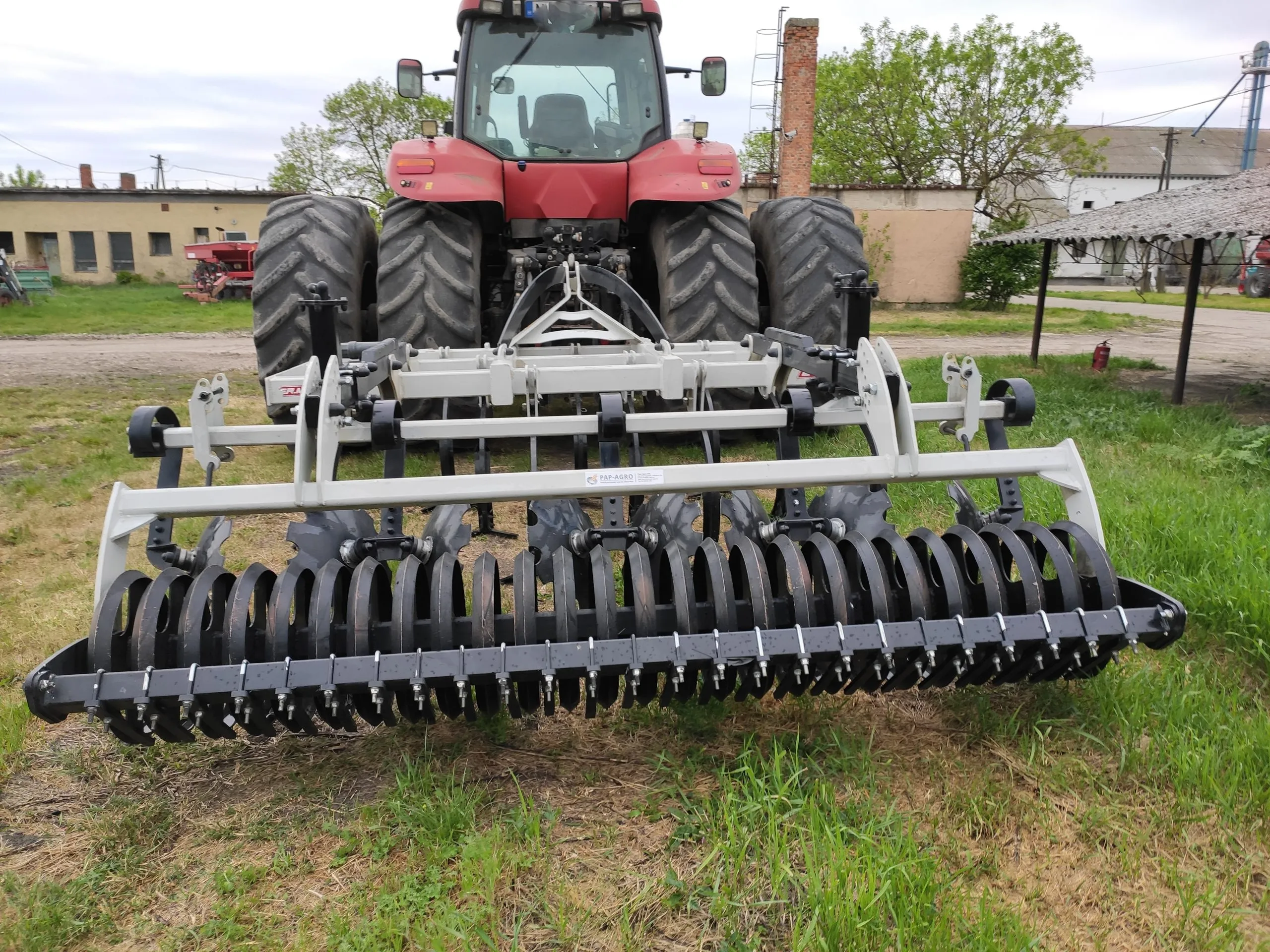
Messeregge is a fascinating term in European agriculture, often leaving both new and experienced farmers puzzled due to its varied definitions and historical roots. At its core, Messeregge refers to a knife harrow or blade-based soil cultivation tool, designed to optimize soil preparation, seedbed quality, and residue management. While its modern digital mentions have sparked curiosity online, the agricultural interpretation remains its authoritative meaning.
This comprehensive guide explores Messeregge in depth its history, functionality, applications, and significance for modern sustainable farming. From traditional small-scale operations to precision agriculture systems, it represents a timeless solution for soil management and crop productivity.
What Is Messeregge?
The word Messeregge originates from the German terms Messer (knife) and Egge (harrow), describing a tool designed to cut and level the soil rather than invert it. Unlike disc harrows or spike-tooth harrows, which aggressively disturb soil layers, the Messeregge works lightly and horizontally, preserving the soil’s natural structure while still achieving effective tillage results.
Historically, used across European smallholdings and organic farms. Its design and concept emphasize sustainability, efficiency, and soil-friendly cultivation. While some online sources describe Messeregge as a farming method or conceptual approach, its primary practical function is as a precision soil preparation implement.
History and Origins of Messeregge
The Messeregge has roots in 19th- and 20th-century European farming, particularly in Germany, Austria, and Switzerland. Traditional plowing methods often damaged the soil’s natural structure, leading to compaction, erosion, and poor seed germination. Messeregge emerged as a low-impact tillage solution:
- The blade harrow allowed for horizontal soil penetration, avoiding deep inversion.
- Farmers could prepare seedbeds efficiently with minimal energy expenditure.
- It became especially popular among organic and small-scale farmers, where machinery size, fuel costs, and soil preservation were critical.
Over time it evolved with modern materials, such as high-carbon steel, boron steel, and carbide-tipped blades, improving durability and reducing maintenance
How Messeregge Works
Messeregge consists of blade tines arranged in rows on a frame, sometimes with leveling or rolling attachments. Its key components include:
- Blade Tines: Sharp, knife-like blades cut through soil and vegetation instead of pushing it aside. Modern versions may have tungsten carbide tips for extreme durability.
- Frame Structure: Supports multiple blade rows, ensuring even force distribution.
- Gang Configuration: Multi-row setups create a fine seedbed in one pass.
- Leveling Components: Rear-mounted rollers or boards smooth the surface for planting.
Unlike traditional plowing, which can invert soil layers, the Messeregge operates 3–8 cm deep, preserving soil horizons, microorganisms, and water-retention capabilities.
Agricultural Uses of Messeregge
It provides a broad range of practical applications:
Seedbed Preparation
A uniform seedbed is critical for high yields. Messeregge:
- Breaks surface crusts
- Eliminates clods
- Creates fine tilth for maximum seed-to-soil contact
This ensures rapid germination and strong seedling establishment, a principle confirmed by European agronomists in small-scale and market gardening systems.
Residue Management
Post-harvest residues can impede new crops. Messeregge blades:
- Cut stalks and plant matter
- Incorporate organic material into the topsoil
- Speed up decomposition and nutrient cycling
This reduces the need for chemical herbicides and enhances soil fertility naturally.
Weed Control
Knife harrows are especially effective in mechanical weed management. They:
- Slice weed roots below the surface
- Bring seeds to the top for destruction
- Minimise chemical inputs in organic systems
Studies from Switzerland and Germany show Messeregge outperforms traditional cultivators in weed suppression, particularly for broadleaf weeds and grass species.
Soil Health Maintenance
Messeregge avoids heavy compaction, maintaining:
- Pore networks for water infiltration
- Root penetration pathways
- Beneficial microorganisms
This is crucial for long-term soil sustainability, particularly in conservation agriculture systems.
Applications Across Farming Systems
Messeregge’s versatility makes it suitable for multiple farming contexts:
- Organic Farming: Primary tool for herbicide-free cultivation
- Conservation Agriculture: Reduced-tillage solution preserving residue cover
- Market Gardening: Rapid bed preparation between successive crops
- Pasture Renovation: Scarifies pastures without damaging established grass
Its adaptability has made Messeregge a trusted implement across Europe, with growing recognition in North America and Australia.
Messeregge Technical Considerations
Successful Messeregge use requires understanding soil and operational variables:
- Soil Type: Clay vs. sandy soils require different tine spacing and angles.
- Moisture Levels: Optimal moisture prevents smearing and excessive dust.
- Operating Speed & Depth: 8–15 km/h at 3–8 cm is standard.
- Horsepower Needs: Moderate drawbar power (15–25 hp per meter) makes it accessible to smaller tractors.
Integration With Modern Farming Systems
Modern precision agriculture enhances Messeregge efficiency:
- Variable-depth tillage based on soil mapping
- Automated guidance to prevent overlaps
- Data logging for organic certification compliance
- Combination with front packers/rollers for smooth surfaces
Messeregge blends traditional soil care with contemporary technological precision, maximizing productivity while minimizing environmental impact.
Comparison Messeregge With Other Tillage Implements
| Feature | Messeregge | Disc Harrow | Rotary Tiller | Power Harrow |
| Soil Disturbance | Light, horizontal | Heavy, inverts layers | Moderate, mixes soil | Heavy, mixes soil |
| Weed Control | Excellent (mechanical slicing) | Moderate | Good | Good |
| Residue Management | Effective | Limited | May chop finely | Limited |
| Compaction Risk | Low | High | Moderate | Moderate |
| Fuel Efficiency | High | Moderate | Moderate | Low |
This shows why Messeregge is ideal for sustainable farming practices, especially in organic, regenerative, and small-scale systems.
Environmental Benefits
Messeregge contributes to eco-friendly agriculture:
- Reduced fuel consumption: Fewer passes needed
- Soil carbon preservation: Minimal disturbance keeps carbon stored
- Biodiversity support: Preserves microorganisms and earthworms
- Erosion control: Maintains residue cover to protect topsoil
- Water conservation: Fine seedbeds improve infiltration and reduce runoff
Global Relevance and Revival
The Messeregge is gaining attention beyond Europe:
- Organic farms in Germany, France, and Italy report higher yields and healthier soil.
- Small-scale farmers worldwide adopt knife harrows to reduce dependency on heavy machinery.
- Educational workshops, agricultural fairs, and online platforms promote Messeregge knowledge for regenerative agriculture.
Its resurgence aligns with the global shift toward sustainability and soil conservation.
Success Stories about Messeregge
- Germany: Organic farm reports 15% increase in yields using Messeregge for wheat and vegetables.
- Italy: Vineyards improve vine root growth and grape quality using Messeregge for seedbed prep.
- France: Agricultural cooperatives implement knife harrow methods, improving soil structure across multiple farms.
Challenges and Limitations
- Heavy residues require pre-treatment
- Rocky soils can damage blades
- Wet soil may reduce efficiency
- Requires experience for optimal blade angle, depth, and speed
Even with these constraints, Messeregge remains a cost-effective, sustainable, and versatile tool.
The Future of Messeregge
Emerging trends suggest continued innovation:
- Smart sensors adjust blade depth automatically
- Autonomous tractors maximize operational efficiency
- Biomimetic blade design reduces soil disruption while improving tillage
Messeregge represents a bridge between traditional agricultural wisdom and modern precision farming.
Messeregge Key Takeaways
- Messeregge is a knife-based soil cultivation tool.
- Promotes light horizontal cutting over deep plowing.
- Improves seedbed quality, residue management, and soil health.
- Supports sustainable, organic, and conservation agriculture.
- Its digital usage is emerging but remains secondary to agricultural meaning.
Conclusion
Messeregge exemplifies the fusion of traditional European farming wisdom with modern sustainable practices. Its design improves seedbed quality, preserves soil structure, and encourages biodiversity.
Whether in small-scale organic systems or integrated with precision agriculture, Messeregge demonstrates that long-standing agricultural methods can address contemporary challenges, ensuring productivity, sustainability, and soil health for generations to come. By minimising soil compaction and reducing reliance on chemical inputs, it supports regenerative farming practices that restore ecological balance. Furthermore, its adaptability across diverse soil types and crop systems makes it a versatile tool for farmers worldwide seeking efficient and environmentally conscious cultivation methods.










Post Comment