Scarletting: Meaning, Uses, Techniques, Benefits
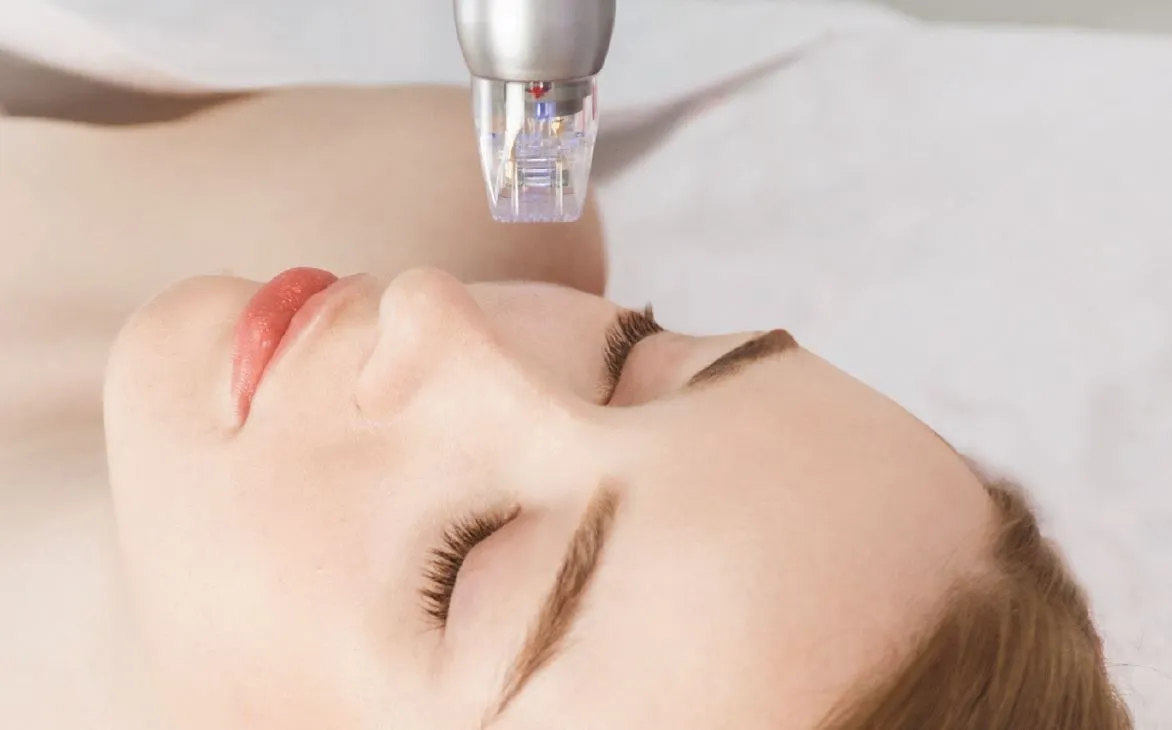
The term scarletting may not be widely discussed in everyday conversation, yet it carries growing importance across multiple contexts, including medicine, skincare, history, and modern cosmetic practices. As interest in skin treatments, historical medical methods, and aesthetic procedures continues to rise, scarletting has become a topic of curiosity for professionals and readers alike.
This in-depth guide explores scarletting in detail its meaning, historical background, methods, applications, benefits, risks, and how it is understood in modern times. By the end of this article, you will have a clear and complete understanding of scarletting and its relevance today.
What Is Scarletting?
Scarletting generally refers to the deliberate creation of superficial marks, lines, or controlled surface incisions on the skin or material for functional, medical, or cosmetic purposes. Depending on the context, scarletting may be associated with:
- Historical medical practices
- Controlled skin stimulation
- Artistic or cosmetic skin treatments
- Surface preparation techniques
Unlike accidental scarring, scarletting is intentional and methodical, often performed with specific tools and techniques to achieve a desired result.
The Historical Background of Scarletting
Historically, scarletting was practic in early medicine as a therapeutic method. In ancient and medieval times, physicians believed that controlled surface incisions could help release toxins, improve circulation, or balance bodily fluids.
Scarletting was commonly use alongside:
- Bloodletting
- Cupping therapy
- Herbal medicine
While many early beliefs have since been replaced by modern science, scarletting played a significant role in shaping early medical understanding and practices.
Scarletting in Traditional Medical Practices
In traditional medicine, scarletting was often performed using small blades or sharp instruments to lightly mark the skin. The goal was not deep injury, but controlled surface stimulation.
Traditional uses of scarletting included:
- Encouraging blood flow
- Reducing localized inflammation
- Relieving muscle tension
- Supporting healing processes
These methods required experience and precision, as improper scarletting could lead to infection or excessive injury.
Modern Interpretation of Scarletting
In modern contexts, scarletting has evolved significantly. It is no longer associated with outdated medical theories, but rather with controlled techniques used in dermatology, cosmetic treatments, and skin therapy.
Today, scarletting may refer to:
- Skin stimulation procedures
- Controlled micro-incision techniques
- Aesthetic skin treatments
- Preparatory methods in dermatology
Modern scarletting emphasizes hygiene, precision, and scientifically supported practices.
Scarletting in Skincare and Aesthetic Treatments
One of the most relevant modern applications of scarletting is in advanced skincare and cosmetic procedures. Controlled skin marking or micro-injury techniques are sometimes used to stimulate natural healing responses.
Benefits of scarletting-inspired treatments may include:
- Improved skin texture
- Enhanced collagen production
- Reduction in fine lines
- Better absorption of skincare products
These procedures are always performed by trained professionals using sterile tools.
Scarletting Techniques and Methods
The methods used in scarletting vary depending on the purpose and setting. However, all approaches prioritize control and precision.
Common techniques include:
- Fine linear surface marking
- Shallow micro-incisions
- Patterned surface stimulation
- Targeted skin activation
Each method is designed to achieve specific results while minimizing damage.
Tools Used in Scarletting
The tools used for scarletting have evolved from basic blades to advanced medical-grade instruments.
Modern scarletting tools include:
- Precision scalpels
- Micro-needling devices
- Sterile single-use blades
- Dermatological instruments
Tool selection plays a crucial role in ensuring safety and effectiveness.
Safety Considerations in Scarletting
Safety is a top priority when discussing scarletting, especially in medical or cosmetic settings.
Key safety considerations include:
- Sterile equipment
- Proper skin preparation
- Professional training
- Post-procedure care
Unregulated or untrained scarletting can lead to infections, permanent scarring, or complications.
Scarletting vs Accidental Scarring
It is important to distinguish scarletting from accidental scarring. While scarring occurs as an unintended result of injury, scarletting is deliberate and controlled.
Key differences:
- Scarletting is intentional
- Scarring is accidental
- Scarletting is planned and shallow
- Scarring may be deep and unpredictable
Understanding this difference helps clarify misconceptions about the term.
Scarletting in Cultural and Artistic Contexts
Beyond medicine and skincare, scarletting has appeared in cultural and artistic contexts. In some traditions, controlled skin marking carried symbolic or ritual significance.
Cultural scarletting may represent:
- Identity
- Strength or resilience
- Rites of passage
- Artistic expression
These practices vary widely and must be understood within their cultural framework.
Psychological Aspects of Scarletting
The psychological perception of scarletting has shifted over time. Historically seen as therapeutic or symbolic, it is now often viewed through a clinical or aesthetic lens.
Modern understanding emphasizes:
- Informed consent
- Mental well-being
- Ethical practice
Any form of scarletting must respect both physical and psychological health.
Benefits Associated with Scarletting
When performed correctly and for appropriate purposes, scarletting may offer certain benefits.
Potential benefits include:
- Enhanced skin renewal
- Improved circulation in targeted areas
- Support for cosmetic treatments
- Controlled aesthetic outcomes
These benefits depend heavily on professional execution and aftercare.
Risks and Limitations of Scarletting
Despite its potential benefits, scarletting also carries risks if misused.
Possible risks include:
- Infection
- Excessive scarring
- Skin irritation
- Delayed healing
For this reason, scarletting should never be attempted without proper training or medical oversight.
Who Should Consider Scarletting Procedures
Not everyone is a suitable candidate for scarletting-related treatments.
Individuals who may benefit include:
- Those seeking advanced skincare treatments
- Patients under professional dermatological care
- Individuals with specific cosmetic goals
Those with sensitive skin, medical conditions, or healing disorders should consult professionals before considering scarletting.
Aftercare and Healing Following Scarletting
Proper aftercare is essential for successful scarletting outcomes.
Aftercare practices often include:
- Keeping the area clean
- Using prescribed topical treatments
- Avoiding sun exposure
- Monitoring for signs of infection
Healing time varies depending on the depth and method used.
Scarletting in Modern Dermatology
In dermatology, scarletting concepts are integrated into controlled skin treatment protocols rather than used as standalone practices.
Dermatologists focus on:
- Precision
- Skin regeneration
- Minimal trauma
- Long-term skin health
This modern approach ensures that scarletting-related methods are safe and effective.
Ethical and Professional Considerations of Scarletting
Ethical practice is crucial when performing scarletting. Professionals must:
- Obtain informed consent
- Explain risks and benefits
- Use approved techniques
- Follow medical guidelines
Unethical use of scarletting can cause physical and emotional harm.
Future Trends Related to Scarletting
The future of scarletting lies in innovation and science. As technology advances, techniques will become:
- Less invasive
- More precise
- Faster healing
- More customizable
Research continues to explore how controlled skin stimulation can support regeneration and aesthetic improvement.
Why Scarletting Continues to Attract Interest
Scarletting remains a topic of interest because it sits at the intersection of history, medicine, culture, and aesthetics. Its evolution reflects how human understanding of the body and healing has progressed over time.
The controlled, intentional nature of scarletting sets it apart from accidental injury, making it a subject worth understanding rather than dismissing.
Final Thoughts on Scarletting
Scarletting is a complex term with historical roots and modern relevance. From early medical practices to contemporary skincare and dermatology, scarletting has transformed into a controlled, professional concept focused on precision and safety.
When understood and applied correctly, scarletting represents how traditional ideas can evolve into modern, evidence-based practices. As awareness and technology grow, scarletting will continue to be refined, researched, and responsibly applied.










Post Comment