2nd Flooring: Expanding Your Home Vertically
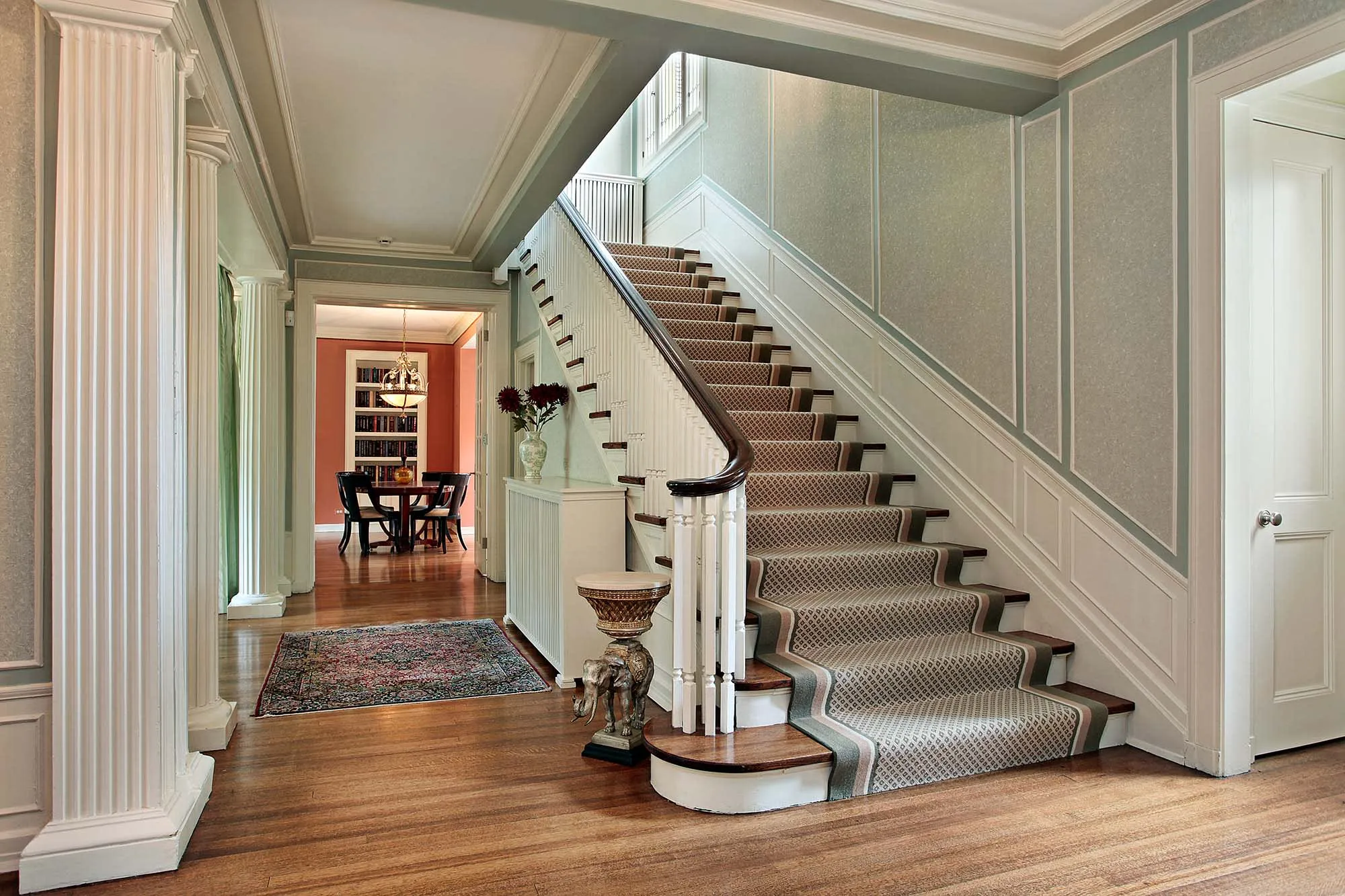
Adding a 2nd flooring to a home is one of the most effective ways to increase living space without expanding the property footprint. Whether for growing families, home offices, or rental purposes, constructing a second floor can transform the functionality, aesthetic, and value of a property.
In this comprehensive guide, we’ll explore the benefits, planning considerations, design options, construction methods, costs, and maintenance of a 2nd flooring, giving homeowners the knowledge they need to make informed decisions.
What is 2nd Flooring ?
2nd flooring refers to the construction of an additional level on top of an existing single-story building. This process is more complex than ground-level extensions because it requires careful consideration of structural integrity, load-bearing capacity, and compliance with local building regulations.
A well-designed 2nd flooring can:
- Increase living space without acquiring additional land
- Enhance property value and curb appeal
- Allow flexible room configurations (bedrooms, offices, gyms)
- Enable better separation of functional areas in the home
Planning Considerations for 2nd Flooring
Before beginning construction, several key factors must be evaluated:
Structural Assessment
The foundation and walls of the existing structure must be assessed to ensure they can support a 2nd flooring. This may involve:
- Consulting a structural engineer
- Checking load-bearing capacity
- Reinforcing beams and columns if necessary
Building Permits and Regulations
Adding a second floor usually requires approvals from local authorities. Regulations may dictate:
- Maximum building height
- Floor-area ratio
- Fire safety standards
- Staircase placement and emergency exits
Design Compatibility
The design of the 2nd flooring should harmonize with the existing architecture. A mismatched style can reduce aesthetic appeal and market value. Consider:
- Roofline adjustments
- Matching materials and finishes
- Proper integration of windows and balconies
Advantages of 2nd Flooring
Adding a 2nd flooring comes with multiple benefits:
Increased Living Space
The most obvious advantage is additional rooms. This can include:
- Extra bedrooms
- Home offices or study areas
- Guest rooms
- Recreational areas like gyms or media rooms
Cost-Effective Expansion
Compared to acquiring new land or relocating, adding a 2nd flooring is often more cost-effective while providing the same functional benefits.
Enhanced Property Value
A well-designed second floor can significantly increase the market value of a home. More usable space makes the property attractive to larger families and potential buyers.
Improved Views and Ventilation
A 2nd flooring often provides better natural lighting, ventilation, and views, particularly in urban areas where horizontal expansion is limited.
Types of 2nd Flooring Construction
Depending on budget, design preference, and material availability, there are several methods to build a 2nd flooring:
Traditional Brick and Mortar
- Most common method
- Highly durable
- Can withstand heavy loads
- Offers long-term stability
Lightweight Construction
- Uses materials like steel frames, reinforced concrete slabs, or engineered wood
- Faster construction
- Reduces load on the existing foundation
- May require less structural reinforcement
Modular or Prefabricated Floors
- Sections are built off-site and assembled on top of the existing structure
- Reduces construction time
- Less disruption to daily life
- Allows for modern, innovative designs
Design Ideas for 2nd Flooring
Designing the 2nd flooring is a creative process that balances functionality with style. Some popular options include:
Master Suite
- Spacious bedroom with walk-in closet
- Private bathroom with modern fixtures
- Optional balcony for outdoor relaxation
Home Office or Studio
- Dedicated workspace with natural light
- Separate from high-traffic areas on the ground floor
- Ideal for remote work or creative projects
Entertainment or Leisure Area
- Media room or home theater
- Gym or yoga studio
- Playroom for children
Multi-Functional Spaces
- Convertible rooms that serve multiple purposes
- Use sliding partitions or foldable furniture
- Maximizes utility of the 2nd flooring
Staircase Design and Access
Staircases are a critical component of 2nd flooring design. They must be safe, functional, and aesthetically pleasing:
- Straight Staircase: Simple and space-efficient
- L-Shaped Staircase: Adds visual interest and accommodates corner spaces
- Spiral Staircase: Saves space but requires careful design for safety
- Floating Staircase: Modern, minimalist look but often more expensive
Proper placement of the staircase ensures easy access while optimizing the use of ground floor space.
Material Selection for 2nd Flooring
Choosing the right materials impacts durability, aesthetics, and cost of the 2nd flooring:
Flooring Materials
- Wood or engineered wood for warmth and style
- Tiles or marble for easy maintenance and elegance
- Laminates or vinyl for budget-friendly, durable options
Wall Materials
- Traditional bricks or concrete blocks for strength
- Lightweight panels for faster construction and reduced load
- Insulated panels for energy efficiency
Roofing
- Sloped roofs for traditional aesthetics and rainwater drainage
- Flat roofs for modern style and rooftop terraces
Insulation and Soundproofing
- Thermal insulation to maintain comfort
- Soundproofing to minimize noise between floors
Electrical, Plumbing, and HVAC Considerations
Adding a 2nd flooring requires extending essential utilities:
Electrical
- Additional circuits and outlets
- Proper lighting layout
- Consider smart home integration
Plumbing
- If adding bathrooms or kitchens, plan for water supply and drainage
- Check load capacity for hot water systems
HVAC (Heating, Ventilation, Air Conditioning)
- Extend air ducts or install split units for efficient cooling/heating
- Ensure proper ventilation for comfort and safety
Cost Analysis of 2nd Flooring
The total cost depends on several factors:
- Materials (bricks, wood, tiles)
- Labor costs and construction time
- Permits and design fees
- Utility upgrades (electric, plumbing, HVAC)
Approximate costs vary depending on location, but a well-planned 2nd flooring often provides a high return on investment through increased property value and usable space.
Maintenance of 2nd Flooring
Proper maintenance ensures longevity and safety:
- Regular inspection of the structure for cracks or leaks
- Roof and drainage maintenance to prevent water damage
- Periodic repainting and finishing for aesthetics
- Monitoring electrical and plumbing systems for any issues
Environmental Considerations
A sustainable 2nd flooring design can minimize environmental impact:
- Use of eco-friendly materials like bamboo or recycled steel
- Energy-efficient windows and insulation
- Rainwater harvesting or solar panels on the roof
- Minimal disruption to surrounding landscape
Challenges of 2nd Flooring
While advantageous, adding a 2nd flooring comes with challenges:
- Structural limitations of existing building
- Higher upfront cost compared to interior remodeling
- Need for permits and compliance with building codes
- Potential disruption during construction
Planning ahead and working with experienced architects and engineers can mitigate these challenges.
Legal and Regulatory Requirements
Before construction, homeowners must consider:
- Zoning restrictions on building height
- Setback requirements for property boundaries
- Fire safety and emergency exit regulations
- Obtaining proper construction permits
Compliance ensures safety and avoids legal issues during or after construction.
Maximizing Space on 2nd Flooring
Efficient layout design makes the 2nd flooring functional and comfortable:
- Use open-plan layouts to reduce cramped spaces
- Incorporate storage solutions like under-stair drawers or built-in cabinets
- Optimize natural light with large windows and skylights
- Ensure proper ventilation for airflow
Conclusion
Adding a 2nd flooring is a strategic investment for homeowners seeking more space, enhanced aesthetics, and increased property value. From planning and design to material selection and construction, careful attention to detail ensures a safe, functional, and visually appealing second floor.
Whether you want a luxurious master suite, a home office, or a recreational area, a well-designed 2nd flooring transforms a house into a versatile, modern living space. With proper planning, construction, and maintenance, your 2nd flooring will provide lasting benefits for years to come.












Post Comment